Aside from beautiful scenery and rich culture, Thailand also has a lot of flavorful Thai recipes to offer to the world! Thai cuisine brings a totally different experience to food lovers, with their extensive use of herbs and spices, seasonings, and ingredients like peanuts and coconut.
And while these Thai recipes may use a variety of unfamiliar ingredients, they are quite easy to make. So, if you want to have a taste of their cuisine, taking a cooking class at Thai cookery schools is not necessary, not when you have this list in hand! And with that, here are 60 easy Thai recipes you can make from the comfort of your own home.
Thai Appetizers
Let’s start by working up your cravings for authentic Thai recipes. Here are some Thai appetizers that will make your appetite hungry for more dishes.
Thai Satay and Peanut Sauce
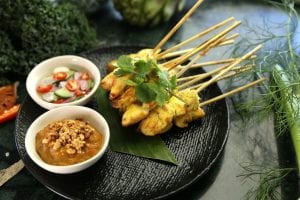
Thai satay is a popular Thai street food. It is often made from pork. However, you can also use other kinds of meat such as beef or chicken. Peanut sauce is usually the condiment of choice for this dish, especially in Thailand. Aside from being served with peanut sauce, satay is usually paired with a relish named ajaad. This relish includes cucumber, chilies, and shallots.
Recipe for Inspiration: Chicken Satay with Peanut Sauce Recipe
Thai Fish Cakes
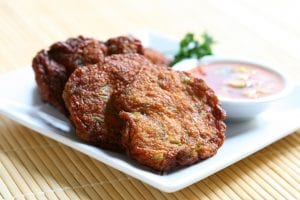
This recipe is called “Tod Mun Pla” in Thailand, and it’s one of the most commonly served appetizers in the Southeast Asian country. Its texture is unlike the usual patties you may buy at groceries or served at restaurants, as it’s very similar to the chewy Asian fish balls. Any type of fish can be used to make this as long as it’s fine and tender. The firmer the fish, the better.
Aside from fish, this Thai recipe also includes fresh fish paste, long beans, kaffir lime leaves, and red curry fish paste. If you don’t have any kaffir lime leaves, you can also just as easily use cilantro or coriander instead. Its spicy flavor and chewy texture will leave you wanting more!
Recipe for Inspiration: Thai Fish Cakes
Pork and Shrimp Peanut Dip
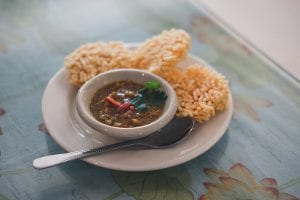
Do you have any stored rice crackers at home? If yes, then this recipe is just for you! Also called “Kao Tung Na Tung,” this dip can easily be associated with Thai recipes because of its classic, spicy flavors. In Thailand, people often use pork and shrimp, but you can change the meat to your preference. You can even make it vegetarian by using vegetable ground meat or firm, ground tofu.
Recipe for Inspiration: Pork and Shrimp Peanut Dip
Thai Ma Haw (Minced Meat Relish)

“Ma Haw” translates to “galloping horses” in English, which may come from how the dish looks and how it’s prepared. Ma Haw is a bite-sized dish of different fruits topped with minced pork and peanut filling. And based on appearance, the pork looks like it’s riding the fruit, much like a rider atop a horse. The dish can also be made quickly, hence its unconventional but interesting name “galloping horses.” Aside from pork, you may also add shrimp, fried shallots, and crunchy peanuts for more flavor.
Recipe for Inspiration: Thai Ma Haw (Minced Meat Relish)
Crispy Laab Meatballs

Do you feel like eating Thai meatballs? Then this is the appetizer for you! Also called “Laab Tod,” this dish will give you a finger-licking experience. “Laab” is a Thai recipe made of ground meat mixed with Thai herbs such as lime leaves, galangal, lemongrass, and cilantro. You can also wrap this dish with some mint and a piece of lettuce before serving.
Recipe for Inspiration: Crispy Laab Meatballs
Thai Spring Rolls

This is a great dish for people who love spring rolls or want to try a Thai version. For the filling, mix some ground chicken and glass noodles then stir fry them along with vegetables. Once the filling has cooled down, place it in a spring roll wrapper then fry until it turns golden brown. Serve it fresh with a side of Thai chili sauce for a crispy and tasty appetizer.
Recipe for Inspiration: Thai Spring Rolls
Crunchy Mung Beans
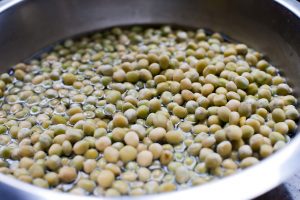
Some restaurants serve crispy snacks like chips or nachos for appetizers. Instead of these usual options, why not present a healthier dish? This is where the crunchy mung beans come in. Simply stir the beans in a skillet with heated oil. Once cooked, coat the beans with chile pepper, green onion, and salt to serve a tasty appetizer that you can also eat as a quick snack.
Recipe for Inspiration: Crunchy Mung Bean Snack
Thai-style Salads
Do you feel like eating some fresh, exciting Thai fruits and veggies? Then here are some salads for you to choose from! These dishes feature some of the freshest flavors Thailand has to offer.
Green Papaya Salad
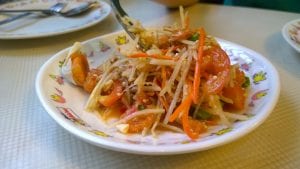
Hailing from Northeastern Thailand, this salad dish is also called “Som Tum” or “Som Tam”. “Som” means “sour” while “tum” or “tam” is similar to the pounding sound of large pestle-crushing ingredients. This salad can be served with sticky rice or other vegetables. And not only is it one of the healthiest Thai recipes around, but it’s also low-calorie and gluten-free too. This makes it a perfect choice for people who want to eat good Thai food recipes but are adhering to a strict diet.
Recipe for Inspiration: Green Papaya Salad Recipe
Grilled Pork Salad (Moo Nam Tok)
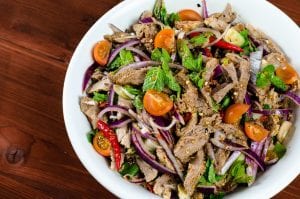
This dish is named after the Thai word “nam tok” which means waterfall. This is because of the blood and juices that drip from the meat as it’s being grilled! While the classic version uses steak, another popular variation uses pork meat as well.
The recipe includes pork tenderloin, red shallots, mint leaves, cabbage, and many other herbs. It’s then tossed into a delicious dressing made of fish sauce, sugar, chili flakes, and tangy lime juice. You can enjoy it with sticky rice, steamed rice, or just by itself.
Recipe for Inspiration: Moo Nam Tok (Grilled Pork Salad)
Green Mango Salad
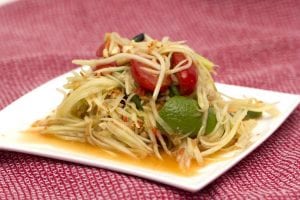
Green mangoes are not yet fully ripe, but that doesn’t mean you can’t use them in delicious dishes! In fact, green mangoes are among the most popular foods in Thai cuisine. These mangoes add a tangy, somewhat nutty, and floral flavor to the dish, as well as a crunchy texture. You can serve them with either cooked chicken or shrimp.
If you’re looking for some vegan Thai recipes, this dish works great too! Just use deep-fried tofu instead of meat, and replace the usual fish sauce with soy sauce. And like the other recipes in this list, this green mango salad is extremely healthy! It’s low in both calories and fat, making it perfect for those who are trying to lose weight.
Recipe for Inspiration: Green Mango Salad
Thai Cucumber Salad
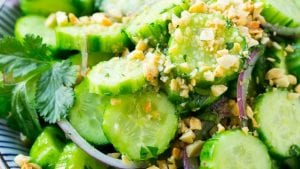
Have you ever tried cucumber salad with flavors inspired by Thailand? If not, then here’s your chance to try one! This cucumber salad is made with red onions, fresh cilantro, and, the staple ingredient of Thai cuisine, peanuts. To add sweet and sour flavors, rice vinegar and sugar are also mixed into the dish. This salad is a quick-prep and healthy meal perfect for anyone to try.
Recipe for Inspiration: Thai Cucumber Salad
Yum Woon Sen (Glass Noodle Salad)
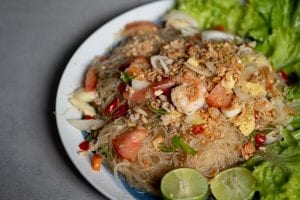
Yum Woon Sen or Glass Noodle salad is a staple dish in Thailand. Its bright flavors and refreshing vegetables will make you feel like you’re truly in the “Land of the Smiles”. This dish has glass noodles, dried shrimp, cilantro, chilies, and fish sauce. Other ingredients include tangy lime juice, tomatoes, celery, ground pork, and roasted peanuts. Its burst of flavors and textures will surely bring a smile to your face!
Recipe for Inspiration: Yum Woon Sen (Glass Noodle Salad)
Crunchy Thai Peanut Quinoa Salad
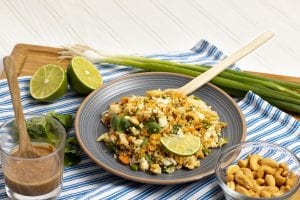
This healthy and crunchy dish features veggies like carrots and cabbages which are then tossed into a nutty quinoa salad. And to capture Thai cuisine’s authentic flavors, the salad is finally drizzled with delectable peanut sauce. This is the perfect dish for those who want a taste of Thai flavors with a healthy meal in hand.
Recipe for Inspiration: Crunchy Thai Peanut Quinoa Salad
Thai Coleslaw
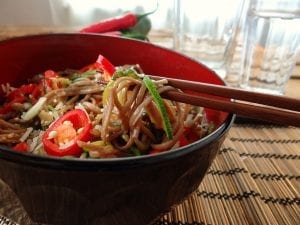
Coleslaw is one of the most famous salads served as a side dish. Instead of having a vinaigrette or mayo-based slaw, why not spice it up a bit with some exotic Thai flavors? This version is fused with other ingredients such as soba noodles, Napa cabbage, zucchini, dry-roasted peanuts, and diced almonds. Drizzle it with a dressing made of rice vinegar, chili paste, fresh lime juice, and canola oil to serve a flavorful side dish.
Recipe for Inspiration: Thai Coleslaw
Thai Noodle Salad with Peanut Sauce
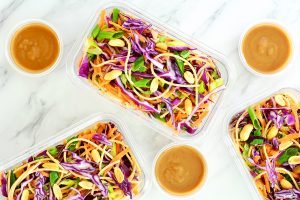
This noodle salad recipe will surely bring authentic Thai flavors to your home. It’s simple to make too! In a bowl, add together rice noodles, herbs, vegetables, and peanuts. Toss in some tasty peanut dressing then garnish the salad with cilantro leaves and more chopped peanuts. Put the remaining peanut dressing in a separate cup, then serve the dish for an authentic Thai meal.
Recipe for Inspiration: Thai Noodle Salad with Peanut Sauce
Rainbow Thai Chicken Salad
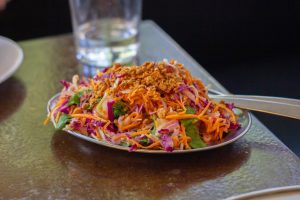
This colorful recipe combines delicious and healthy in one dish. And the best part? it’s effortless to make! Simply toss together cooked chicken, cabbage, carrot, mango, avocado, and pepper. Dress the salad with peanut butter, and you’ll have yourself a tasty, healthy, and colorful Thai salad.
Recipe for Inspiration: Rainbow Thai Chicken Salad
Cold Thai Noodle Salad
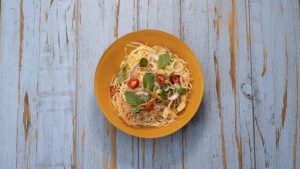
This refreshing salad recipe will definitely help you cool down during the hot seasons. Using a tasty homemade dressing of rice vinegar, soy sauce, sesame oil, and lime juice, coat the rice noodles along with vegetables. Toss the ingredients together then garnish the dish with black and white sesame seeds to serve a fresh and satisfying meal.
Recipe for Inspiration: Cold Thai Noodle Salad
Thai Quinoa Salad with Lime Vinaigrette
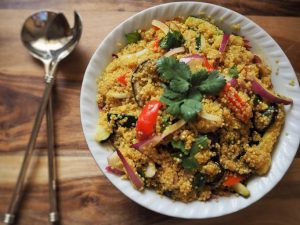
Here’s another quinoa salad with a twist of Thai flavors for you to try. In this dish, the quinoa is tossed in the bowl along with other fresh vegetables as well as some tasty homemade salad dressing. It’s then chilled before being served as a refreshing meal. And as a bonus, this dish can be stored in the fridge for days! Try it and taste the lime, fish sauce, and red pepper flakes for that titular Thai heat.
Recipe for Inspiration: Thai Quinoa Salad with Fresh Herbs and Lime Vinaigrette
Thai Soup and Noodles
Here are a few hot Thai noodle and soup recipes you can serve during cold seasons. Even if the weather is not frosty, you can serve them to feel warm, too.
Pad Thai
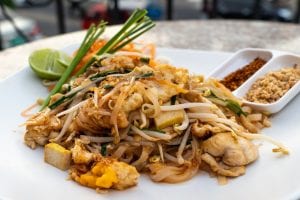
Pad thai is one of the most popular street foods in Thailand, and one of the most recognized Thai recipes in the world. This flavorful dish is made with rice noodles, shrimp, chicken or beef, peanuts, scrambled eggs, and bean sprouts. For your homemade vegetarian pad thai, you may also use tofu instead of the usual meat.
The delicious key ingredients are then slathered in yummy pad thai sauce, then sauteed in a handy wok.
While classic chicken pad thai is supposed to be spicy, you can just as easily change the heat level depending on your tolerance! If you really miss the flavors of Thailand, then try making this plateful of flavorful, authentic pad thai recipe at home.
Recipe for Inspiration: Authentic Pad Thai
Pad See Ew
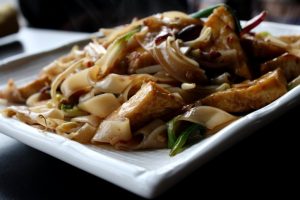
Pad see ew is one of the most popular Thai recipes in the South East Asian country and in the world too. Literally translating to “fried soy sauce”, this dish is a stir-fried noodle dish. For this particular recipe, boiled rice, broccoli, and beef slices are the main ingredients. These are added together on a skillet along with oyster sauce, soy sauce, fish sauce, and sugar for flavor. Serve this with a side of eggs for a hearty and authentic Thai meal.
Recipe for Inspiration: Pad See Ew
Tom Yum Soup
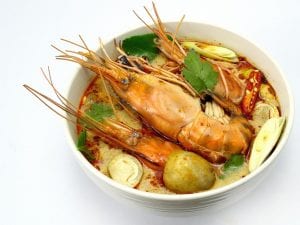
This dish is not only popular in Thailand, but all over the world as well. Flavorful Tom yum sauce can be made using lemongrass, coconut milk, galangal, coriander, fish oil, soy sauce, shrimp paste, and more. Boil it in a pot over high heat, then add some shrimp and you’re done! Divide the soup among bowls and serve it with more cilantro leaves, chiles, and lime wedges. Tom yum is easy to make, but the delicious culmination of flavors from its key ingredients definitely makes it taste like it was labored over for hours.
Recipe for Inspiration: Tom Yum Soup
Thai Coconut Chicken Soup
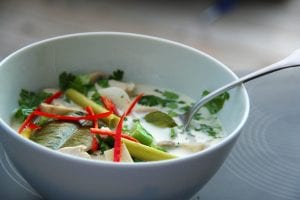
This dish is also called “Tom Kha”, with “Tom” meaning soup and “kha” referring to galangal, a root vegetable that looks a lot like ginger. This soup can be made easily at home using a stovetop or pressure cooker. For your daily protein intake, you can use chicken (which turns the soup into “Tom Kha Gai”) or shrimp (this turns the soup into “Tom Kha Koong”). The rich broth of this soup is a perfect match for cold weather. So, if it ever rains or snows, then you know what Thai soup recipe to try!
Recipe for Inspiration: Tom Kha Gai (Thai Coconut Chicken Soup)
Thai Drunken Noodles
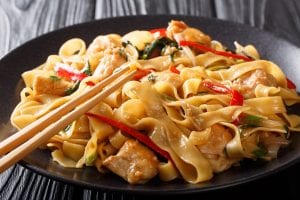
This Thai recipe is also known as “Pad Kee Mao.” This noodle recipe is a popular stir-fried dish that’s served in many Thai restaurants. Although there’s no alcohol in its ingredients, many say that its name comes from its level of spiciness and how it might leave one feeling dizzy and “acting drunk”.
Traditionally, they are made with extra-wide rice noodles. However, you can also use linguine noodles as a handy substitute. You can also easily make your own variation by adding more vegetables, using different kinds of meat, or even making a homemade vegetarian version.
Recipe for Inspiration: Thai Drunken Noodles (Pad Kee Mao)
Rolled Rice Noodle Soup
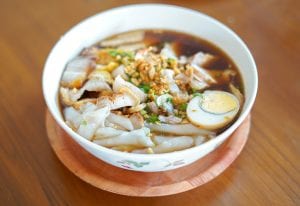
Also called “Guay Jub,” this soup dish is a popular meal both in eateries and restaurants all over the country. This meal also has other names such as “Guay Chap,” “Kuay Chaps,” and “Kuay Jub.” The soup features a delicious pork belly with crispy skin and soft, tender flesh. If you want, you can also switch the broth in two ways: clear or dark with Thai spices. The clear broth is called “Guay Jub Nam Sai” while the dark broth with spices is called “Guay Jub Nam Kon.”
Recipe for Inspiration: Rolled Rice Noodle Soup
Tom Chuet
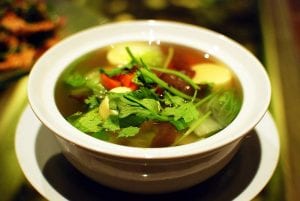
This is a Thai recipe made with vegetables and simmered in vegetable broth. Sometimes called “Kaeng Chuet” or “Tom Jued,” the soup is also filled with seasonings, celery, spring onions, garlic, and soy sauce. You may use chicken or pork broth as a substitute for vegetable broth. You may also add meatballs, noodles, tofu, seaweed, and mushrooms.
Unlike most Thai recipes, tom chuet has a milder, more mellow flavor. It’s usually served hot, and is first eaten before any of the more spicier Thai dishes.
Recipe for Inspiration: Tom Chuet (Clear Vegetable Soup)
Thai Peanut Sesame Noodles
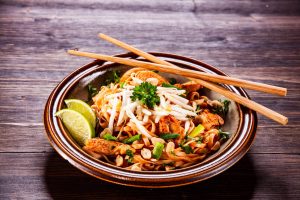
Peanuts are an essential part of Thai recipes, and in this dish, you can enjoy them with sesame noodles! Whisk together some peanut butter, ginger, chili sauce, and chicken broth in a saucepan to make a delicious sauce. Toss the sauce on a bowl of drained, hot glass noodles, and serve this immediately for a warm and tasty meal.
Recipe for Inspiration: Thai Peanut Sesame Noodles
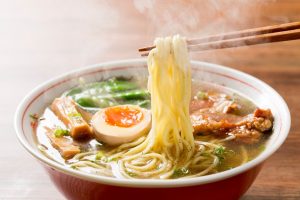
Thai Chicken Ramen
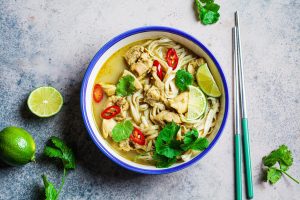
“Ramen” just basically means noodles or noodle soup in Japanese. And just like the popular Japanese versions, you’ll want to taste this Thai chicken ramen recipe!
In a large pot, boil some vegetables along with Thai green curry paste, coconut milk, fish sauce, and ramen noodles. Once boiled, add some seasonings and shredded chicken. Serve the dish into four bowls and add more cilantro, green onions, peanuts, and sesame seeds for a hot and hearty meal.
Recipe for Inspiration: Thai Chicken Ramen
Thai Chicken and Coconut Soup
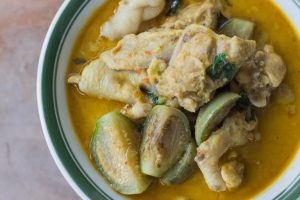
Here’s a creamy, spicy, and savory Thai recipe you can prepare during the cold seasons. Simmer a half cup of rice with chicken stock, then once cooked, add in some coconut milk and chicken strips. Toss in some chiles and cilantro, and serve it as a warm and delightful Thai dish exploding with the most exotic flavors.
Recipe for Inspiration: Thai Chicken and Coconut Soup
Thai Curry Recipes
Do you feel like trying dishes that burst with flavor? Here are some curry recipes that will fill your palette with authentic Thai spices!
Red Curry
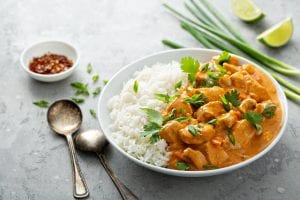
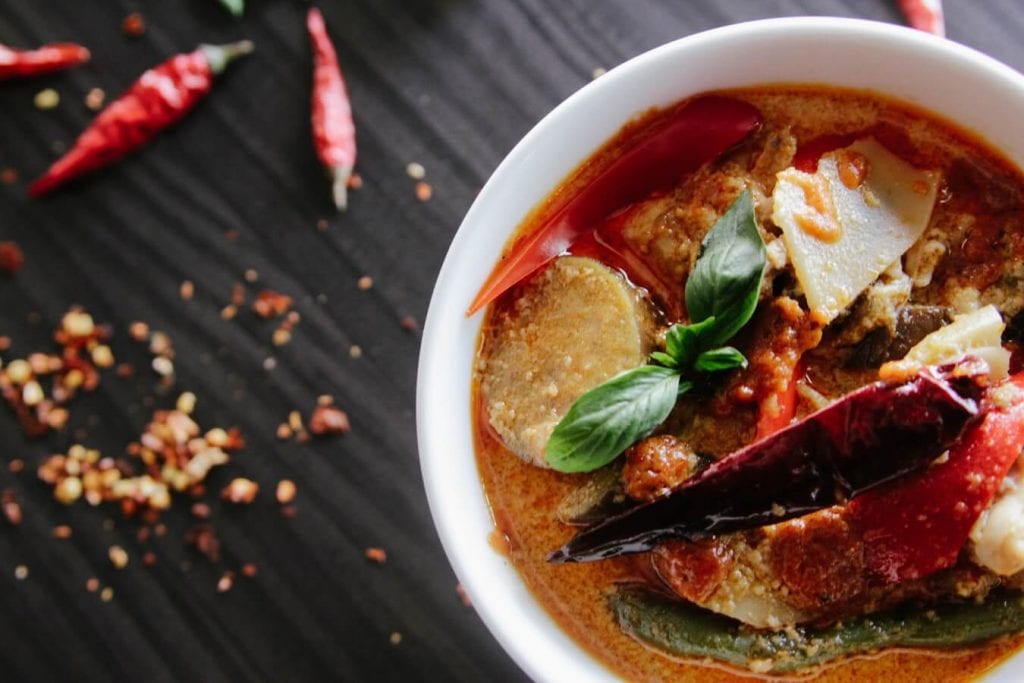
Do you like spicy food? Then you might want to try red chicken curry for lunch or dinner. Thailand, like its Southeast Asian neighbors, has many delicious curry variants, and this classic red curry is one of them.
This version is popular for its intense heat and spiciness, and it’s all thanks to red curry paste. But fret not! You can easily adjust its heat based on your spice tolerance. Aside from red curry paste, this Thai curry also features chicken meat, vegetables, and coconut milk (a staple ingredient in Thai cuisine).
Recipe for Inspiration: Thai Red Curry Chicken
Green Curry
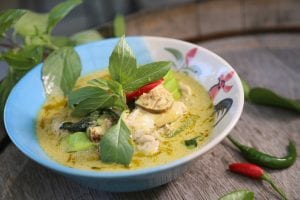
Green curry is another famous curry variant in Thailand. Its iconic green color is brought by the use of Thai basil, cilantro, and makrut lime leaf and peel. While the dish is commonly made with chicken or beef, you may replace those with tofu or fish dumplings, too.

Thai Green curry is creamy and thick. And thanks to the added meat and spices, it’s the perfect example of how it’s possible to achieve a great balance of different, intricate flavors.
Recipe for Inspiration: Easy Thai Green Curry Recipe
Crockpot Thai Chicken Curry
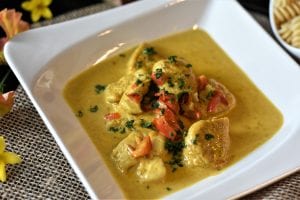
Do you have a handy crockpot or slow cooker at your home? Then you can use that to make wonderful Thai chicken curry! This Thai recipe is great for busy parents who want to try some Southeast Asian cuisine since the crockpot makes cooking dinner meals much easier.
Thai crockpot curry includes curry paste, coconut milk, and ginger to add tons of flavor. You may also use coconut cream instead of coconut milk as a substitute.
However, because coconut cream is denser, add a couple of tablespoons after cooking the curry. Additionally, add water or broth to reduce its stickiness and reach your desired consistency.
Recipe for Inspiration: Crockpot Thai Chicken Curry
Coconut Curry
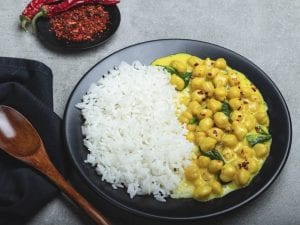
This creamy coconut curry tastes absolutely amazing paired with some freshly cooked rice or naan bread. While other curry recipes may use coconut milk, this version uses coconut cream and coconut butter instead. But just like other kinds of curry, you can choose what protein to use based on your preference. Shrimp, chicken, or tofu are all great options. Plus with added flavors from spinach, red bell peppers, and other ingredients and spices, you’ll have yourself a rich and tasty Thai meal.
Recipe for Inspiration: Creamy Chickpea Coconut Curry
Thai Panang Curry

Panang curry is another famous curry dish in Thailand. But what makes this dish different from other curry variants is its use of wonderfully roasted peanuts! Hence, its taste is nutty, albeit sweeter. Panang curry paste usually includes dried chili peppers, galangal, lemongrass, kaffir lime zest and leaves, coriander, and cumin. Just like other curry recipes, you can also switch up the main protein ingredients according to your preference, from shrimp, chicken, to vegetarian-friendly tofu.
Recipe for Inspiration: Thai Panang Curry
Pad Prik King Moo
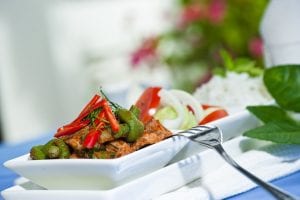
If you feel like trying a different kind of curry, then this one’s for you. Also known as “Deep Fried Pork Belly with Curry Paste,” this dish is a dry curry that features pork mixed with herbs and spices. It also has long beans to add more flavor. If you want to add an authentic vibe to the recipe, feel free to add ginger roots. Although this dish doesn’t have any sauce like the other kinds of curry, it will still satisfy your cravings for Southeast Asian flavors.
Recipe for Inspiration: Dry Red Curry Pork Stir Fry
Thai Vegetable Curry
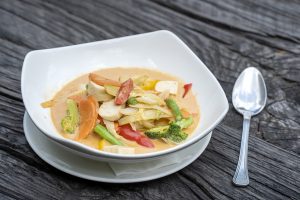
If you practice a vegan or vegetarian lifestyle, then here’s a Thai dish for you to try. What makes this curry special is the use of bamboo shoots and various vegetables to create earthy and satisfying textures. These ingredients are then simmered in a creamy coconut broth for even more flavors. Yum!
Recipe for Inspiration: Thai Vegetable Curry
Thai Shrimp Curry
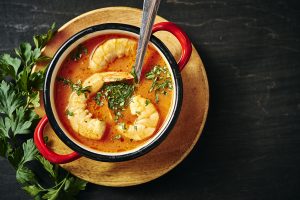
If you love the tenderness of shrimp and the spices of curry, then you’ll want to try this Thai recipe. Firstly, scallions, green curry paste, and coconut milk are boiled in a large skillet. The shrimp is then added and sprinkled with cilantro or basil for even more flavors. Lastly, in line with true Asian tradition, this dish is best served with a side of hot jasmine rice.
Recipe for Inspiration: Thai Shrimp Curry
Thai Chicken Recipes
Are you hungry for some poultry? Look no further! Here are some chicken recipes that can be enjoyed by children and adults.
Thai Chicken Fried Rice
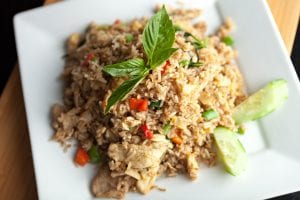
Let’s start with a classic chicken recipe. Thai Fried Chicken Rice is a famous street food in the country. The difference between this Thai version and other styles of fried chicken lies in the coating. Thai fried chicken has a crisp coating, and its flavors reach deep in the meat. The marinade is a mixture of Thai herbs and spices which elevates the flavors of regular fried chicken. This dish can be eaten as finger food or as part of the main course.
Recipe for Inspiration: Thai Chicken Fried Rice
Thai Basil Chicken
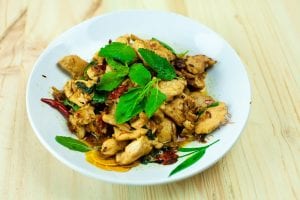
Also called “Pad Kra Pao Gai,” Thai basil chicken is also a popular street food. This dish includes stir-fried chicken and the versatile Thai holy basil. It’s then served with warm rice and a fried egg on the side. If you don’t have any Thai holy basil, you may use sweet basil instead. It won’t have the same peppery flavor, but will still taste great nevertheless.
Recipe for Inspiration: Thai Basil Chicken
Thai Cashew Chicken
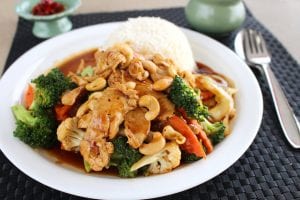
If you’re a big fan of cashew nuts, then you might want to try this flavorful dish. Thai Cashew Chicken has aromatic chilies, caramelized onions, crispy chicken, and crunchy cashew nuts. You can even add in a mixture of vegetables and then serve it with rice and a sweet and savory sauce for a truly filling meal!
Recipe for Inspiration: Thai Cashew Chicken
Thai Chicken Lettuce Wraps
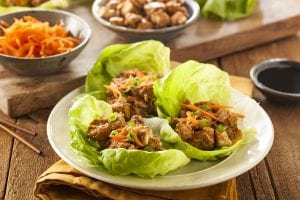
Do you want a meal that’s both refreshing and flavorful too? Then these Chicken Lettuce Wraps are for you! This dish’s meaty filling consists of healthy vegetables, chicken, and your choice of sauce. Sweet chili and peanut sauce are all great options you can choose to add to your lettuce wraps. Just place the filling inside the lettuce wraps and you have yourself a healthy and flavorful meal!
Recipe for Inspiration: Thai Chicken Lettuce Wraps
Thai Chicken Wrap
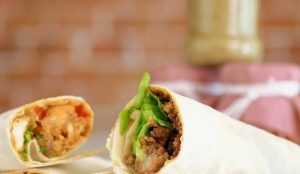
This recipe uses tasty flour tortillas instead of lettuce for a filling Thai-inspired chicken wrap! Every bite from this satisfying and delicious recipe will easily bring Southeast Asian flavors to your home. All you have to do is stir-fry some chicken breast and vegetables then wrap them with the tortilla. Serve this dish with a side of appetizing peanut sauce, and you’ll have a meal that bursts with flavor with each bite.
Recipe for Inspiration: Thai Chicken Wrap
Spicy Peanut Chicken
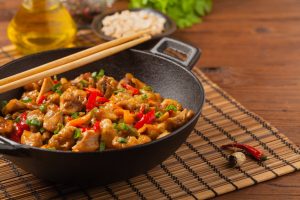
Do you love spicy food? If yes, then this is the perfect Thai recipe for you. This spicy peanut chicken dish has everything that makes Thai cuisine unique: peanuts, heat, and irresistible curry flavor.
In a hot skillet or wok, heat a tablespoon of peanut oil and stir fry two large chicken breasts. Once cooked, remove the chicken then mix together two cups of peanut butter and water. Pour in your homemade curry chili sauce then once it’s simmered, drizzle it on a bowl of the cooked chicken and noodles. Sprinkle and garnish the dish spring onions and chow mein noodles to serve a hot and spicy meal.
Recipe for Inspiration: Spicy Peanut Chicken
Baked Thai Peanut Chicken
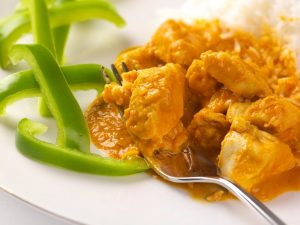
Here’s a healthy and savory Thai recipe that you should absolutely try at home. In a large bowl, mix boneless chicken, peanut butter, soy sauce, rice wine vinegar, and sesame oil together. Place the chicken on a baking dish then coat it with the sauce. Cook for 35 minutes, and you’ll have a hearty Thai dish you can serve for lunch or dinner in no time!
Recipe for Inspiration: Baked Thai Peanut Chicken
Grilled Curry Chicken Skewers

Here’s a different dish that you can serve for weekend grills. The chicken is marinated with classic ingredients in Thai recipes such as soy sauce, dark brown sugar, curry powder, and cardamom. It’s then grilled and served with a side of homemade coconut-peanut sauce and lime wedges for a tasty Southeast Asian dish! Once your loved ones have gotten a taste of this, we’re sure it’ll be a staple during campouts.
Recipe for Inspiration: Grilled Thai Curry Chicken Skewers
Thai-Style Beef and Pork
Here are some beef and pork recipes for you to pick. These dishes, filled with Thai flavors, can be served for a hearty lunch or dinner that will be enjoyed by everyone.
Beef Short Ribs Satay

If you happen to have some beef short ribs in your fridge, then you can use those for this Thai recipe. Also known as “Satay Kra-Toog Ngua,” this satay is well-loved in Thailand. While grilling, you might even see the meat pull away from the bone (yummy!). And for a delectable marinade, use lemongrass, ginger, shallots, cloves, oyster sauce, fish sauce, turmeric powder, and coconut milk. Then baste the meat using coconut milk and kosher salt to serve a mouth-watering meal.
Recipe for Inspiration: Beef Short Ribs Satay
Broiled Pork Spare Ribs

This dish is also known as “See Korng Moo Yang.” The ribs are boiled in a broth filled with lemongrass, lime leaf, and galangal root. The marinade, on the other hand, consists of garlic, coriander root, black pepper, and soy sauce. After boiling, the ribs are broiled and then served with a dip consisting of fish sauce, lime juice, toasted ground rice, chili, sugar, and cilantro leaves. So, if you love the flavors of Thai cuisine and are wondering what to do with extra pork spare ribs, then this recipe is for you.
Recipe for Inspiration: Broiled Pork Spare Ribs
Crispy Deep-fried Pork Belly
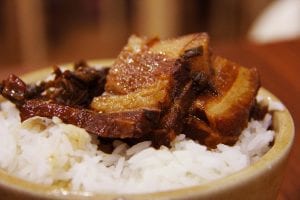
This dish is called “Moo Krob” in Thailand. While the pork belly is often used as an ingredient in Thai recipes, you can also serve it by itself as it’s irresistible when deep-fried. You may also choose any sauce you prefer as a dip, like vinegar or soy sauce. While you’re at it, why not make a dip of fish sauce, chili flakes, rice powder, lime, spring onion, and coriander as well?
The key to this wonderful dish is to first boil the pork in water with salt and vinegar for a few minutes. After that, you can deep fry the pork! Give it a few minutes to rest, then slice into a tender yet crispy pork belly.
Recipe for Inspiration: Crispy Deep-fried Pork Belly
Spicy Broccoli Beef
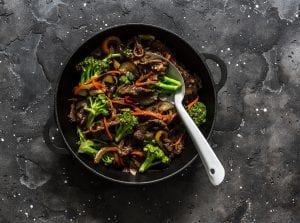
Also called “Pad Kana Neua,” Spicy Broccoli Beef is more famous for its Chinese version. However, the Thai variant tastes just as delicious, with the use of hot chili and Thai seasonings. While people in Thailand use their local broccoli called “kana,” you may use any kind of broccoli available. Add a slice of beef tenderloin and vegetables, then serve it with freshly cooked rice for a flavorful dinner meal!
Recipe for Inspiration: Thai Spicy Broccoli Beef
Thai Peanut Pot Roast
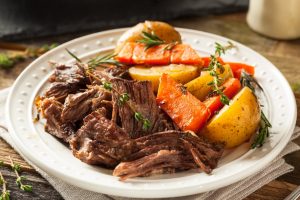
This fusion of eastern and western cuisine will definitely fill just about anyone’s appetite. For this Thai-inspired dish, the beef chuck is seasoned and coated with beef broth along with staples like coconut milk, peanut butter, rice wine vinegar, and many more. It is then placed in the oven along with carrot slices and broccoli. Peanuts and cilantro are also used for garnish before serving the dish for an appetizing meal (with a Southeast Asian twist)!
Recipe for Inspiration: Thai Peanut Pot Roast
Thai Seafood Recipes
If you feel like trying some seafood, then here are some of the best choices for you. These dishes will make you feel like you’re dining in a Thai beachfront restaurant from the comfort of your home.
Steamed Sea Bass with Chili, Lime, and Garlic
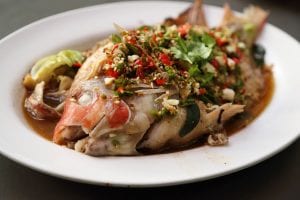
You probably want a healthy and delicious way to cook fish. If so, then this is the Thai recipe for you! Also called “Plah Kapong Neung Manao,” this Thai recipe has a salsa made of hot chili and cilantro. You may steam other kinds of fish based on your preference. Additionally, you may also use filleted fish.
Recipe for Inspiration: Steamed Sea Bass with Chili, Lime, and Garlic
Fried Fish with Sweet Chili and Garlic Sauce
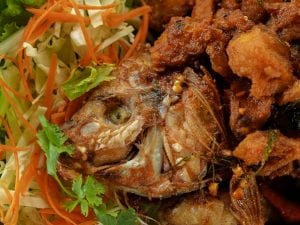
This recipe, also known as “Plah Tub Tim Rad Prik,” is a popular dish made of crispy pan-fried fish with sweet and spicy sauce, hot chili sauce, and garlic. In Thailand, it’s often ordered as a family-style meal due to its huge serving size. While it can be a bit messy to cook, it is really easy to do. You can use any perch-type fishes such as tilapia, bass, bluegill, and crappie. The sauce is then made of sugar, hot and mild chilies, garlic, and fish sauce for a sweet, garlic chili flavor.
Recipe for Inspiration: Fried Fish with Sweet Chili and Garlic Sauce
Oyster Omelette
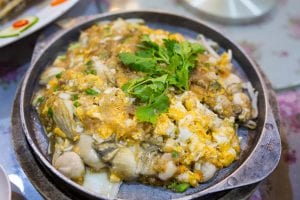
Do you want to try some Thai seafood breakfast? While oysters are not usually served as. the first meal of the day, they can actually elevate the usual plateful of omelette! The combination of oysters, spring onion, and a few drops of vinegar or lime juice will surely start your day on a good note. And just like other Thai recipes, it is best served with rice.
Recipe for Inspiration: Oyster Omelette
Thai Shrimp Fried Rice

Also known as “Khao Pad,” this meal goes well with poultry or meat dishes such as the aforementioned Thai basil chicken. However, a popular, authentic version of this dish uses shrimp instead. This turns it into “Khao Pad Goong” (goong meaning prawns in English). If the shrimp is peeled but you leave the head-on, the oil from the head coats the rice. This adds even more flavor to an already delicious recipe.
Recipe for Inspiration: Shrimp Fried Rice
Thai Peanut Shrimp

If you want a quick and savory seafood meal with Thai cuisine’s scrumptious flavors, then this recipe is a great option. Reduce a mixture of coconut milk, peanut butter, rice wine vinegar, and sesame oil in a pan. Once reduced, add in some cooked shrimp to coat. This easy, fast, and tasty dish will surely satisfy anyone’s craving for seafood.
Recipe for Inspiration: Thai Peanut Shrimp
Thai Dessert Recipes
Treat yourself to these sweet delights from Thailand. Featuring authentic Southeast Asian ingredients, these desserts will surely please your sweet tooth. You can also serve these as wonderful afternoon snacks.
Sticky Rice with Mango
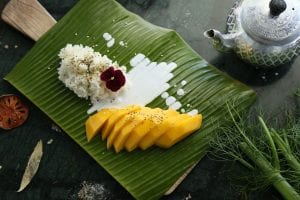
In Thailand, this scrumptious dessert is called “Khao Niaow Ma Muang.” It includes the world-famous sticky rice known as “Thai sweet rice” and is a traditional dish. The rice is soaked in creamy coconut milk then topped with slices of fresh or frozen mangoes. We’re sure that the whole family will enjoy this sweet treat!
Recipe for Inspiration: Sticky Rice with Mango
Thai Grilled Pineapple

Do you want a sweet and grilled afternoon snack or dessert? Look no further! This Thai recipe features coconut milk, brown sugar, salt, and coconut extract as a marinade. The pineapple is soaked in the marinade for a few minutes then grilled. Use the excess marinade as a dip, and you’ll have yourself a freshly-grilled dessert.
Recipe for Inspiration: Thai Grilled Pineapple
Khanom Chun (Layered Dessert)
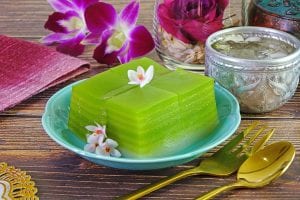
Also called “layered dessert” or “Thai jello”, this dessert is made from palm sugar, coconut milk, rice flour, tapioca, tea, and pandan leaves. This jello usually has nine layers, which in Thai culture symbolizes future success. The Thai people believe that if you see the number nine, you will become prosperous. While it is traditionally made with pandan leaves, the dessert can also be mixed with coffee. This will give the dessert a brown color instead of green.
Recipe for Inspiration: Khanom Chun (Layered Dessert)
Nam Kang Sai

This dessert is the perfect treat to combat the hot, summer heat. This dish is basically just shaved ice poured over with sweet syrup and drizzled with condensed milk. Place in a bowl and add with your preferred toppings. Some popular choices include bread, jackfruit, red beans, pineapple, and even pumpkin. As for the syrup, you may pick from red syrup (also known as “nam daeng”), green syrup (also known as “nam keo”), or a combination of syrup and creamy coconut milk.
Recipe for Inspiration: Nam Kang Sai (Shaved Ice Dessert)
Coconut Custard With Black Rice Pudding
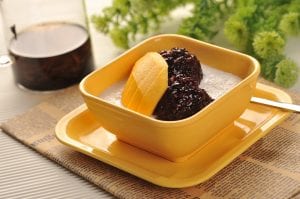
The Thai name for this dessert is “Khao Neow Dam Sang Kaya”. Khao Neow Dam is black, sticky rice, while Sang Kaya is a sweet, creamy slice of custard. In this dessert, sang kaya is added to sticky rice. After that, coconut milk is splashed between the rice and sang kaya. Place the splashed custard and rice on a piece of banana leaf for an even more authentic Thai serving! The custard can also be replaced with a slice of mango if you wish. Lastly, feel free to pair this dish with a glass of Thai iced coffee for a chill afternoon snack.
Recipe for Inspiration: Coconut Custard With Black Rice Pudding
Thai Iced Coffee

This is the best cold drink to pair with a tasty snack during a warm weekend afternoon. Mix a cup of freshly brewed coffee with some sweet condensed milk. Then, pour the coffee on a glass of shaved ice, and serve it as a chilly Thai-inspired beverage.
Recipe for Inspiration: Thai Iced Coffee
Was this page helpful?
Read Next: 40 Best Ramen Toppings for Your Homemade Noodle Soup
Luigi
Luigi is a content writer, workout enthusiast, cosplayer, and avid fan of rock and metal music. He has a background in news writing, feature writing, and data research. Outside work, he enjoys playing guitar and computer games, learning different languages, and occasionally making memes. He enjoys learning new things about food and anything related with health or diet and sharing this acquired knowledge to others.
Related Articles