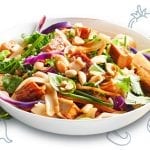
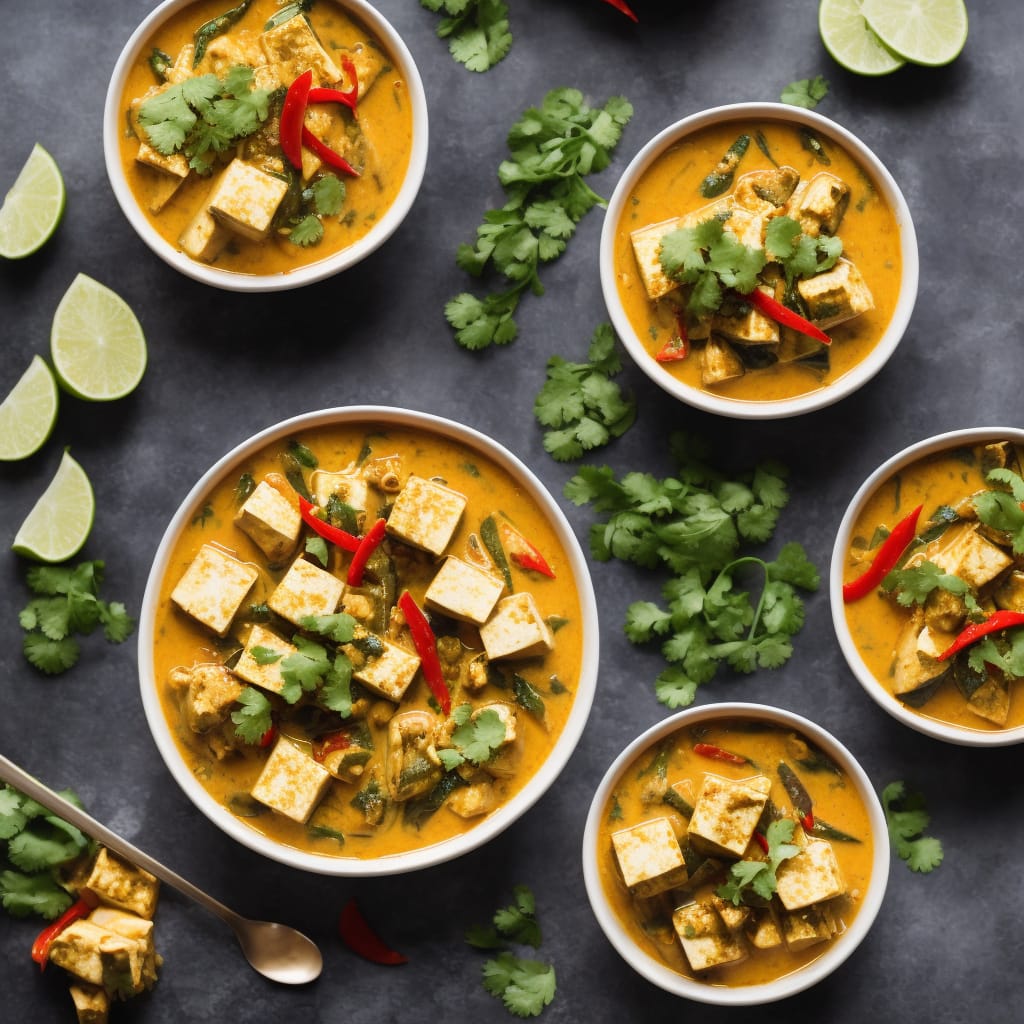
Who says vegetarians don't get to enjoy savory meals? A taste of these authentic vegetarian recipes will make you change your mind. So, you just might want to go vegetarian after your first bite.
Read More
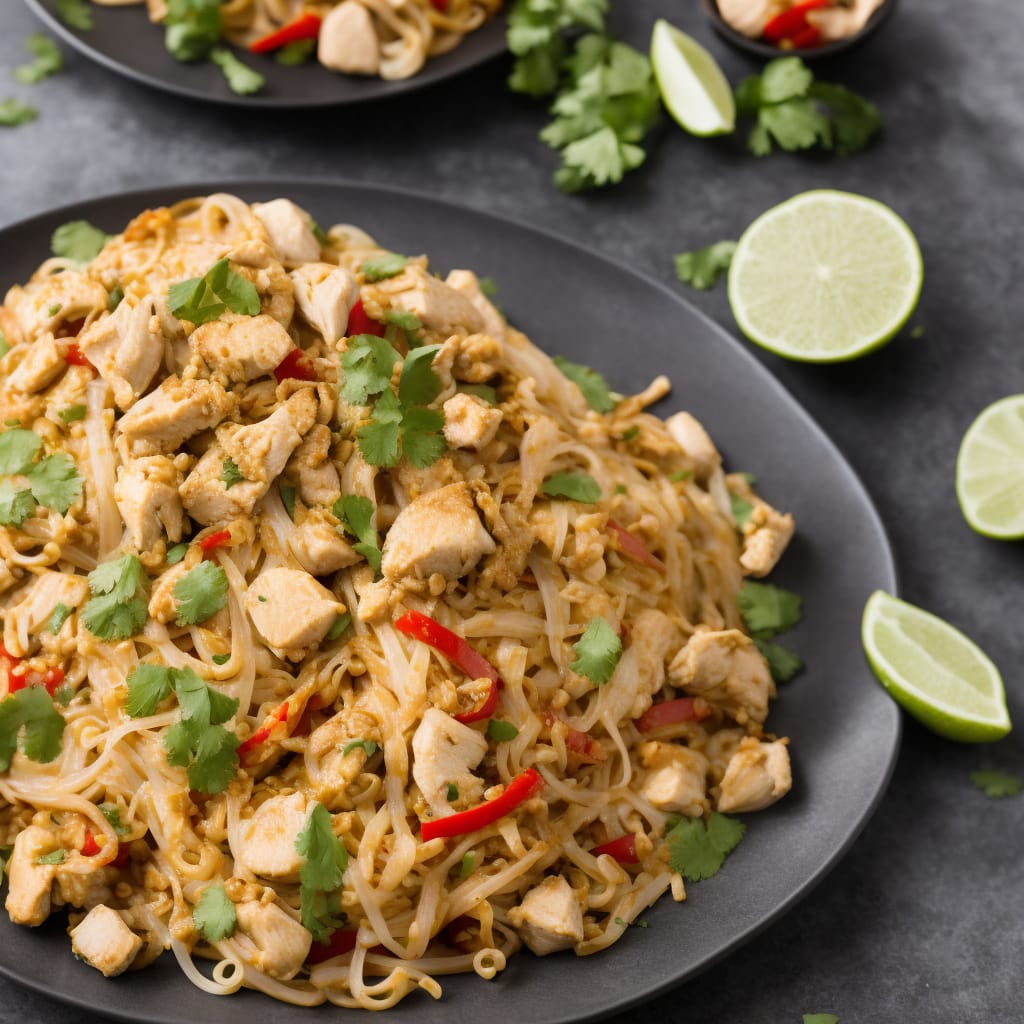
There’s a reason why pasta is a popular favorite. It’s such a multi-purpose dish that can be enjoyed in a multitude of ways. With so many pasta ideas to choose from, your biggest challenge will be deciding on which pasta recipes to go for!
Read More
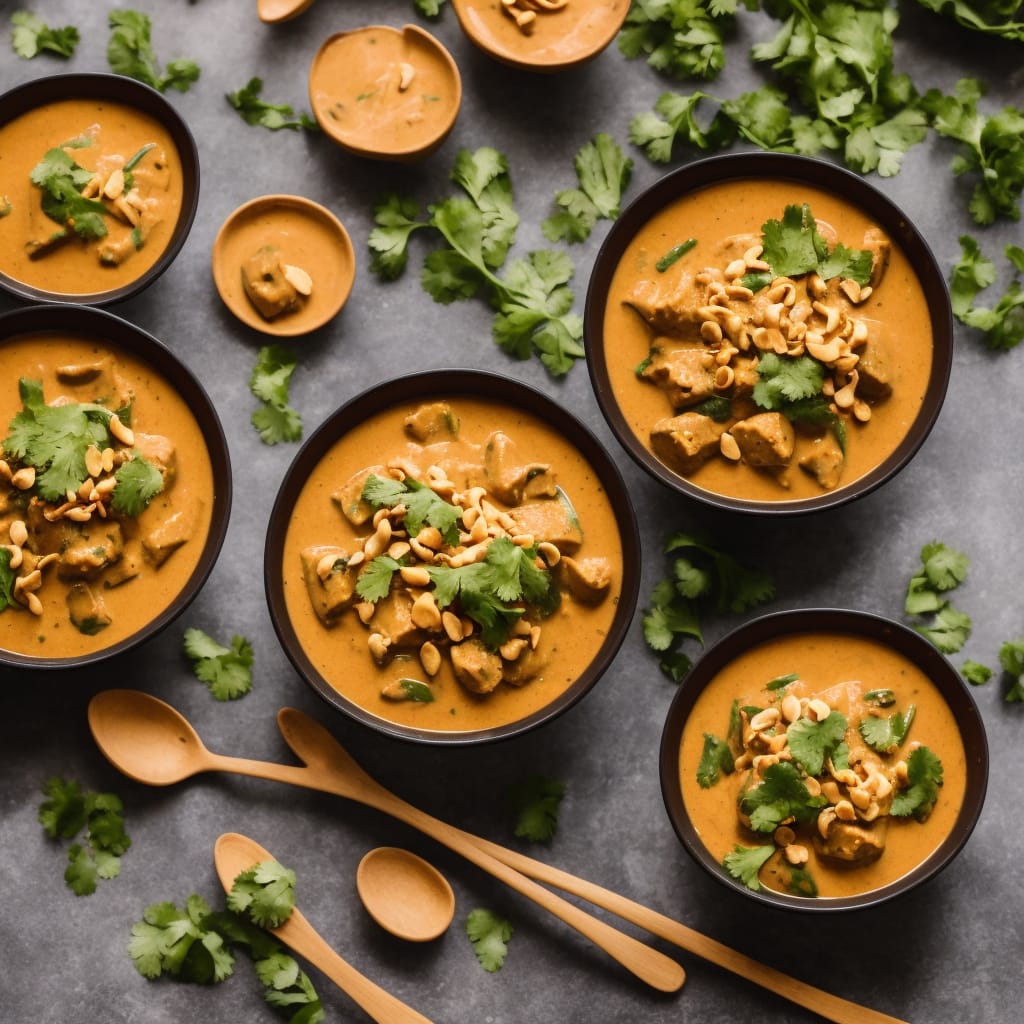
Need something to amp up the flavor on your appetizers? Look no further from our delicious dip recipes. Together with an array of sauce recipes, these delightful flavorings are sure to enhance any meal. We have a variety of recipes, from savory marinara sauces to sweet cinnamon dips. Pair off these yummy dip recipes with your favorite finger foods and snacks for a more delightful treat!
Read More
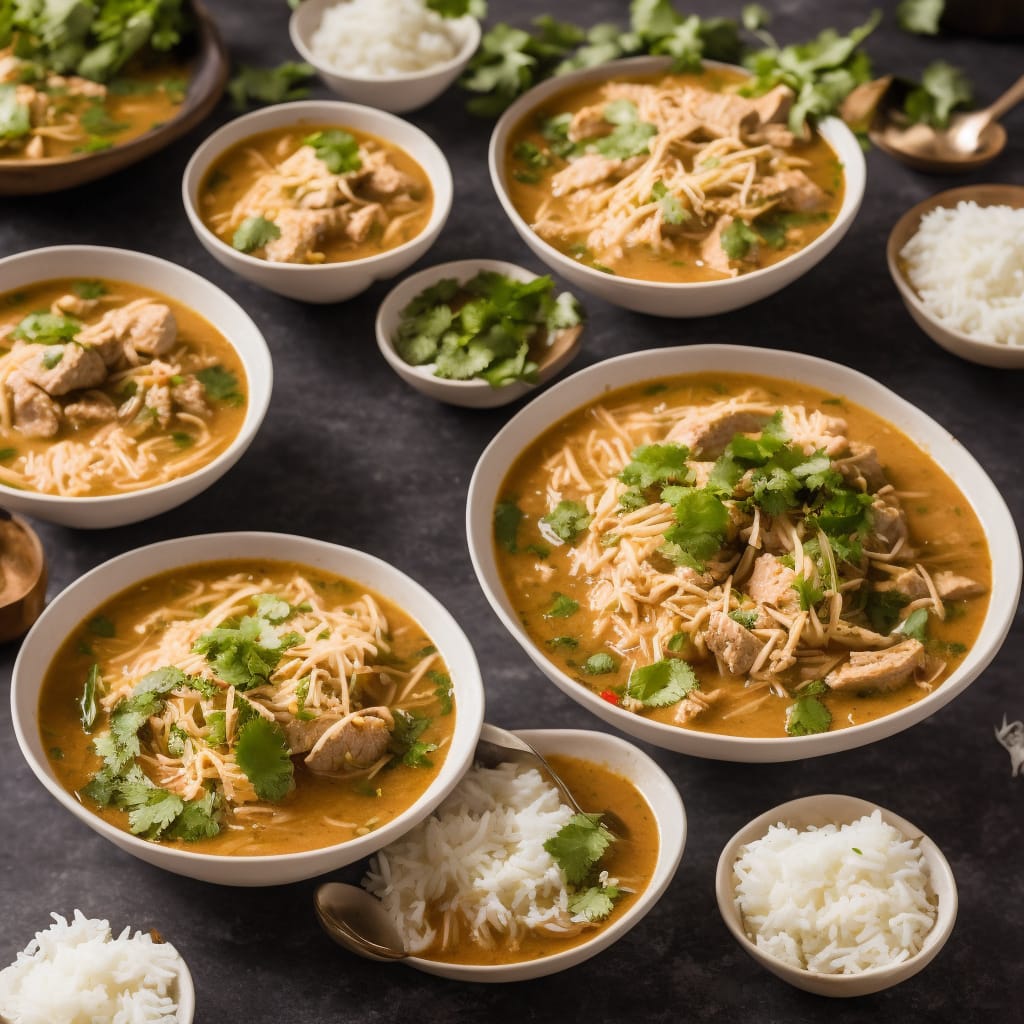
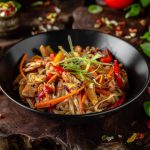
Taste exotic flavor combinations with our exquisite Asian recipes! Whether it's Chinese, South Korean, Thai, Indian, or Japanese, we've got all the signature Asian dishes you could hope for. Have a taste of Asian noodles, dumplings, fried rice, soups, stews, curries, stir fry, and more with our Asian recipes!
Read More
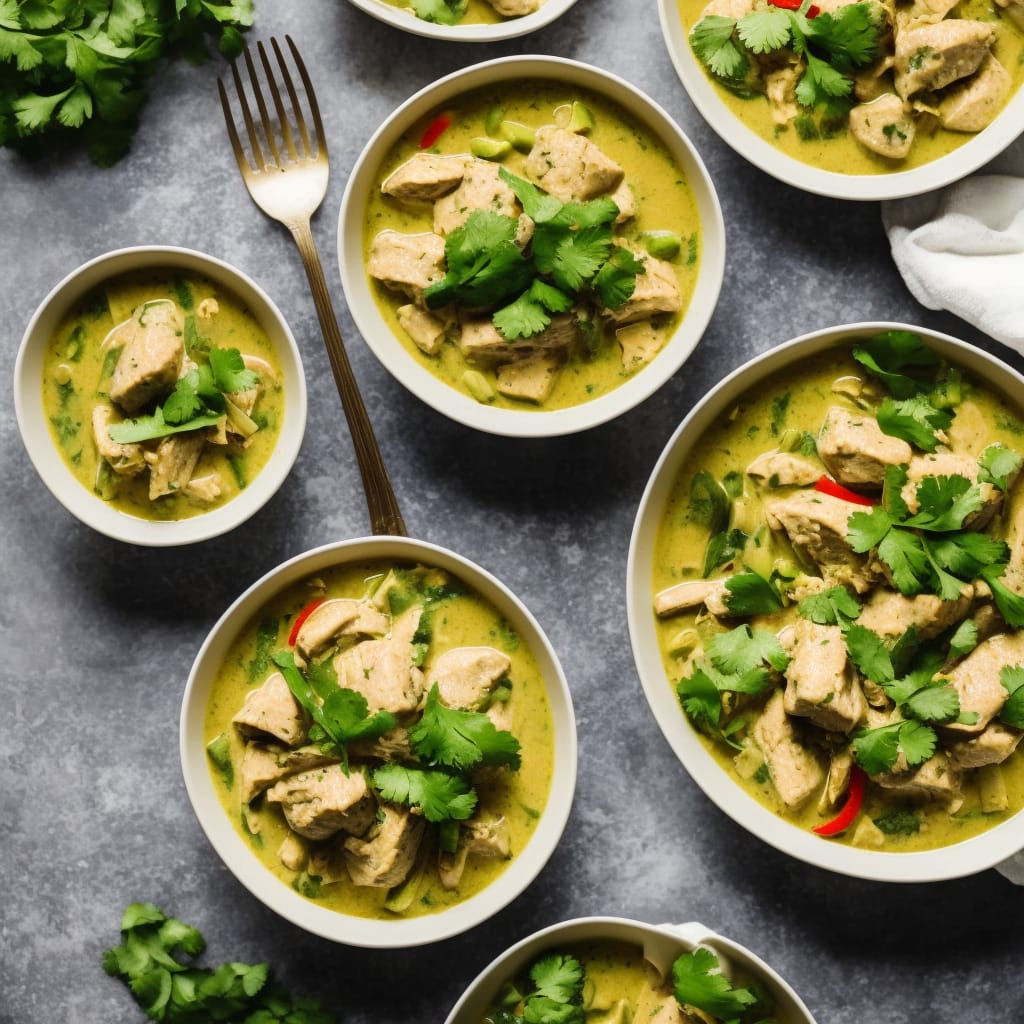
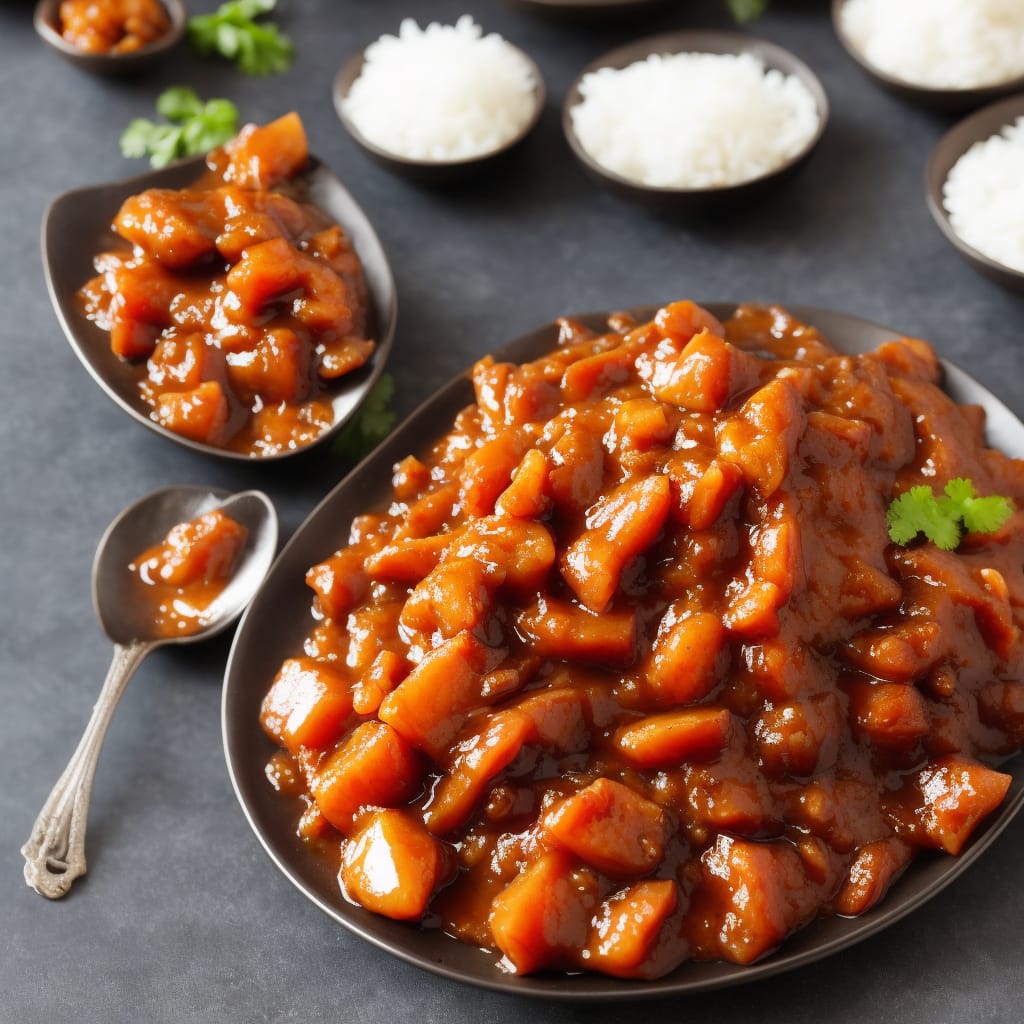
Breathe spice into your dishes with our aromatic curry recipes. Whether you're looking for an authentic spicy Indian curry or a sweet Japanese curry, we've got just the right curry recipe for you. You can find all sorts of curry dishes right here, from chicken, fish, lamb, beef, and even vegan. And while you may typically think of curries as 'wet', we even have unique dry curries such as salads and rice that pack a fragrant curried kick within a great texture.
Read More
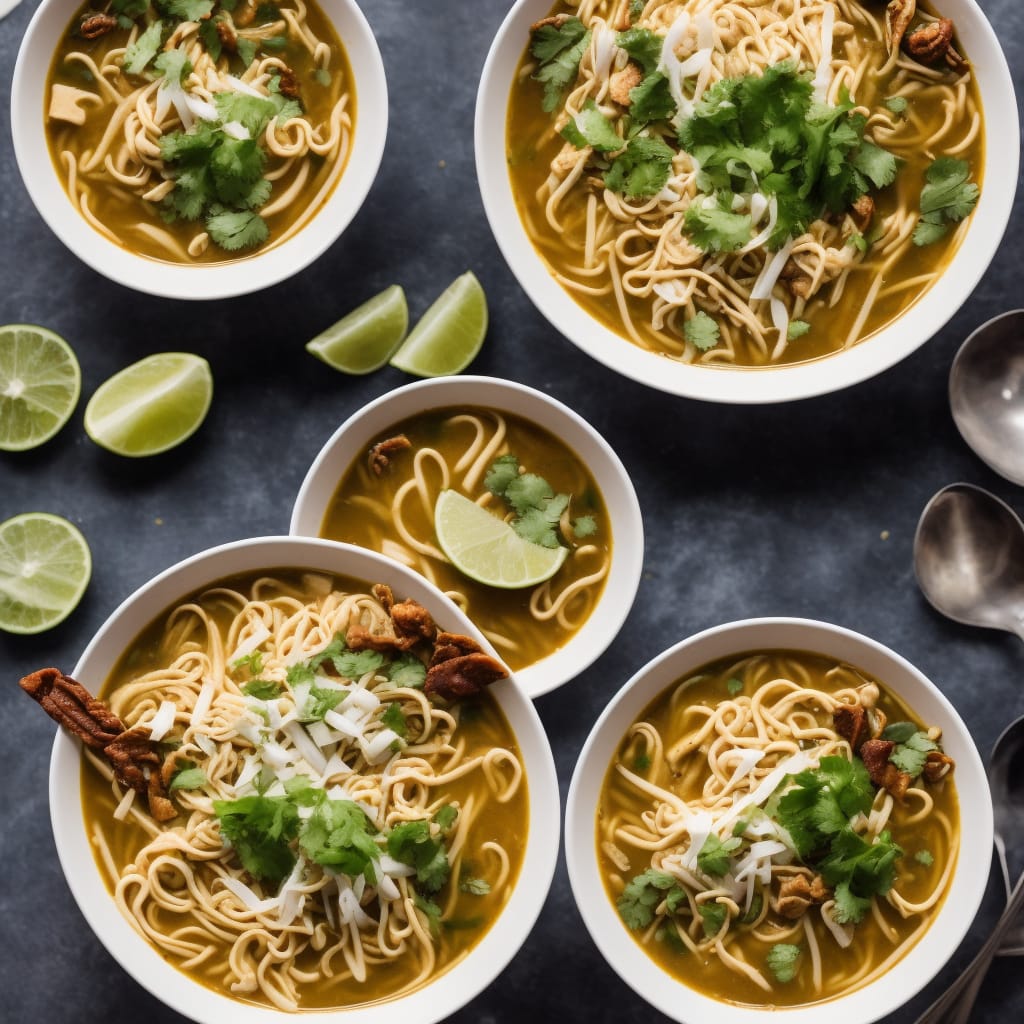
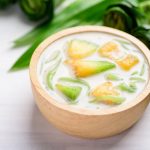
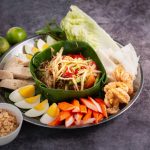
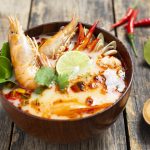
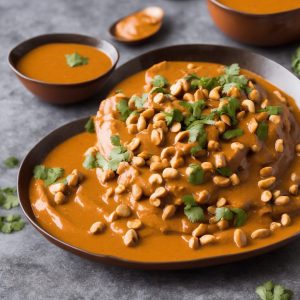
From a beautiful Asian country comes our authentic and tasty Thai recipes. Be enraptured by the sweet, salty, sour, and spicy flavors that most Thai dishes combine in wild abandon. Your taste buds will surely thank you for these amazing Thai recipes.
Read More
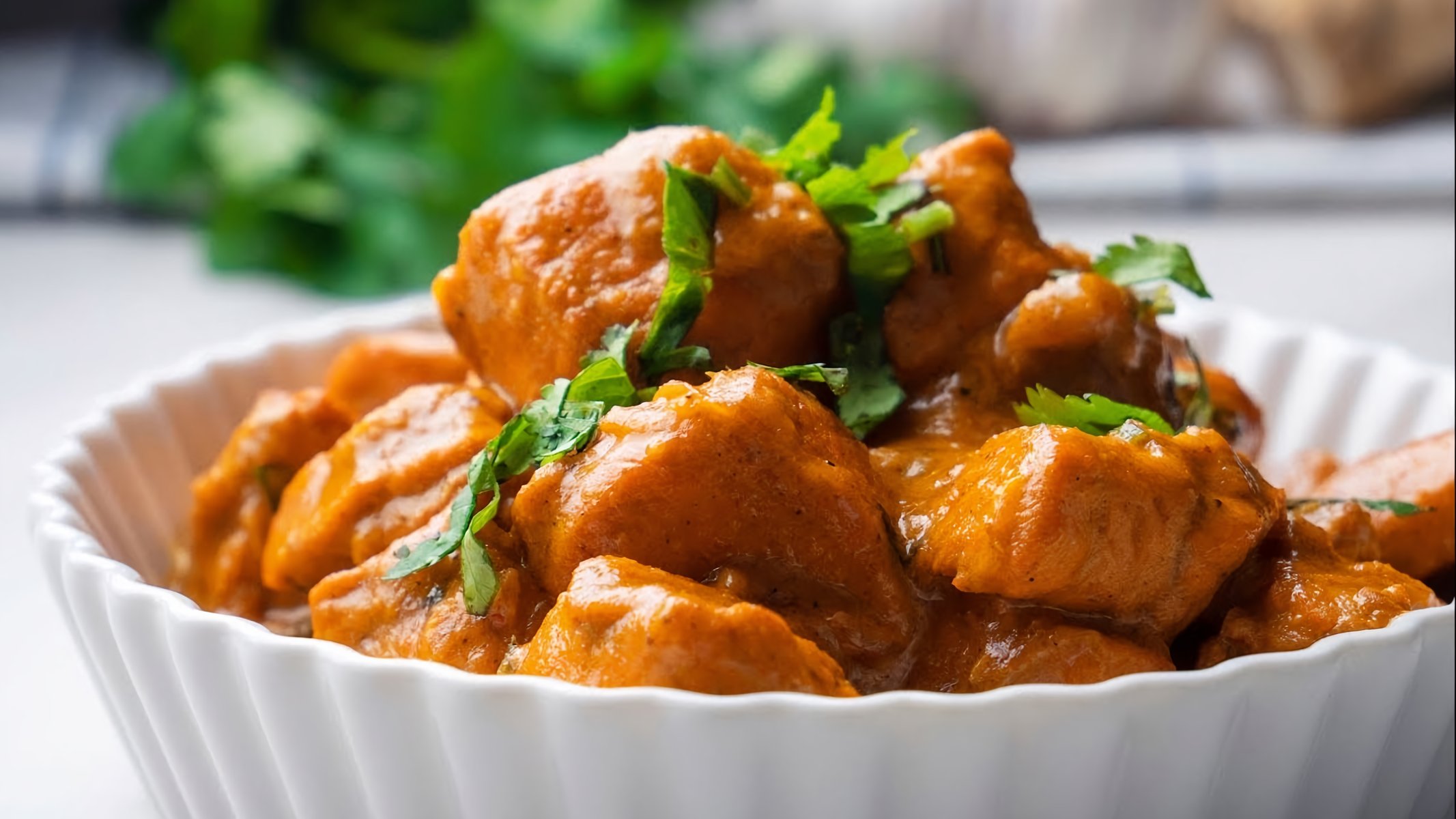
Breathe spice into your dishes with our aromatic curry recipes. Whether you're looking for an authentic spicy Indian curry or a sweet Japanese curry, we've got just the right curry recipe for you. You can find all sorts of curry dishes right here, from chicken, fish, lamb, beef, and even vegan. And while you may typically think of curries as 'wet', we even have unique dry curries such as salads and rice that pack a fragrant curried kick within a great texture.
Read More
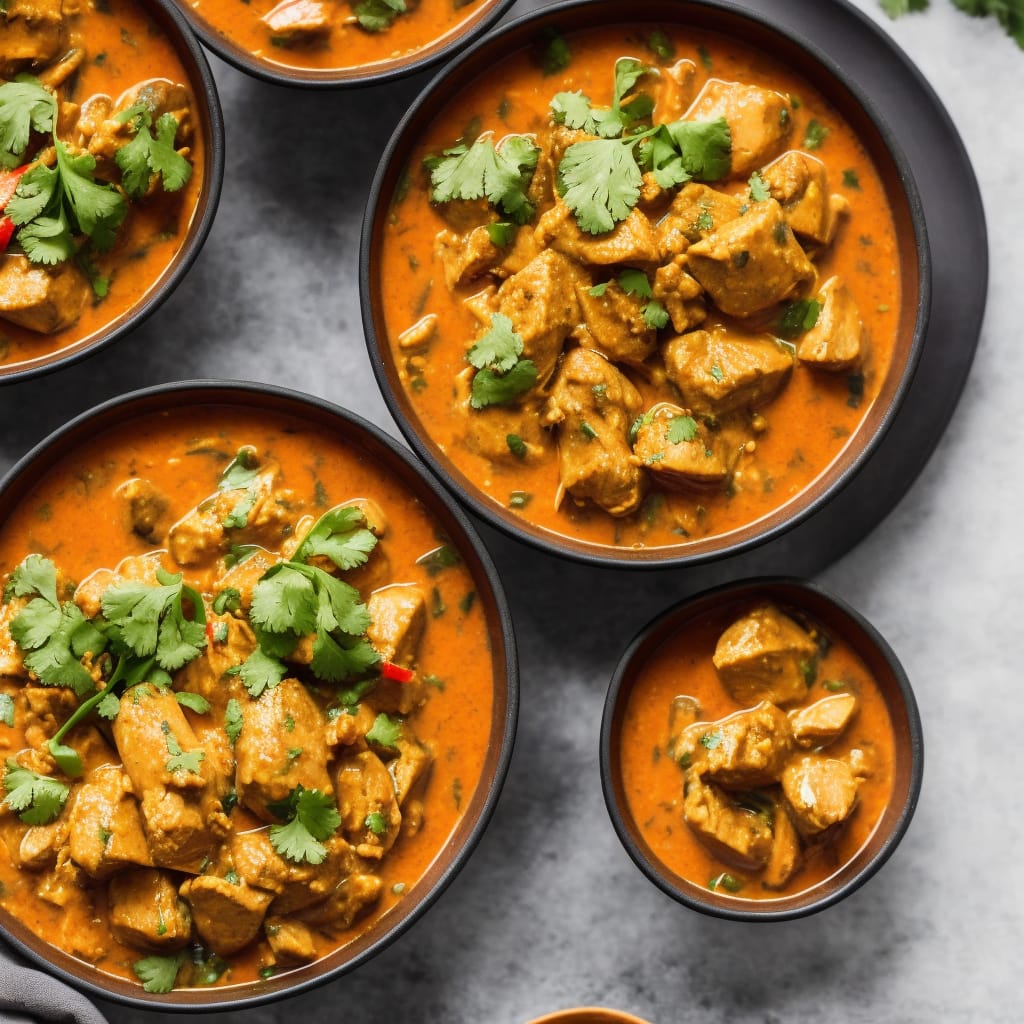
From a beautiful Asian country comes our authentic and tasty Thai recipes. Be enraptured by the sweet, salty, sour, and spicy flavors that most Thai dishes combine in wild abandon. Your taste buds will surely thank you for these amazing Thai recipes.
Read More
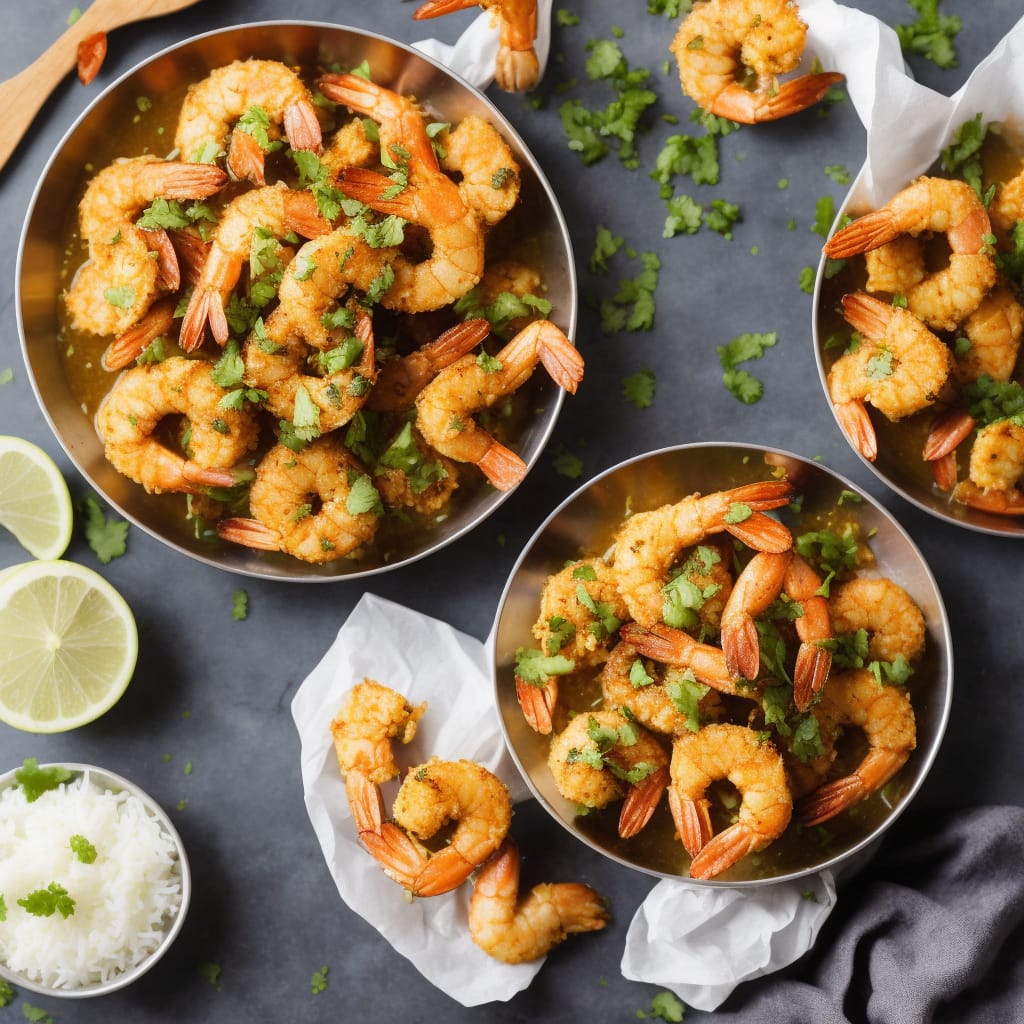
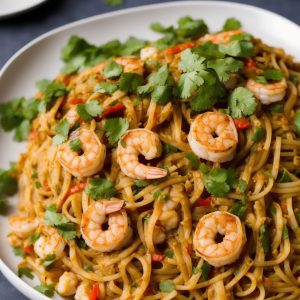
Where do you even begin with seafood? You might find yourself overwhelmed by the vast selection of seafood dishes to choose from, but fret not! Our seafood recipes are here to help you out!
Read More
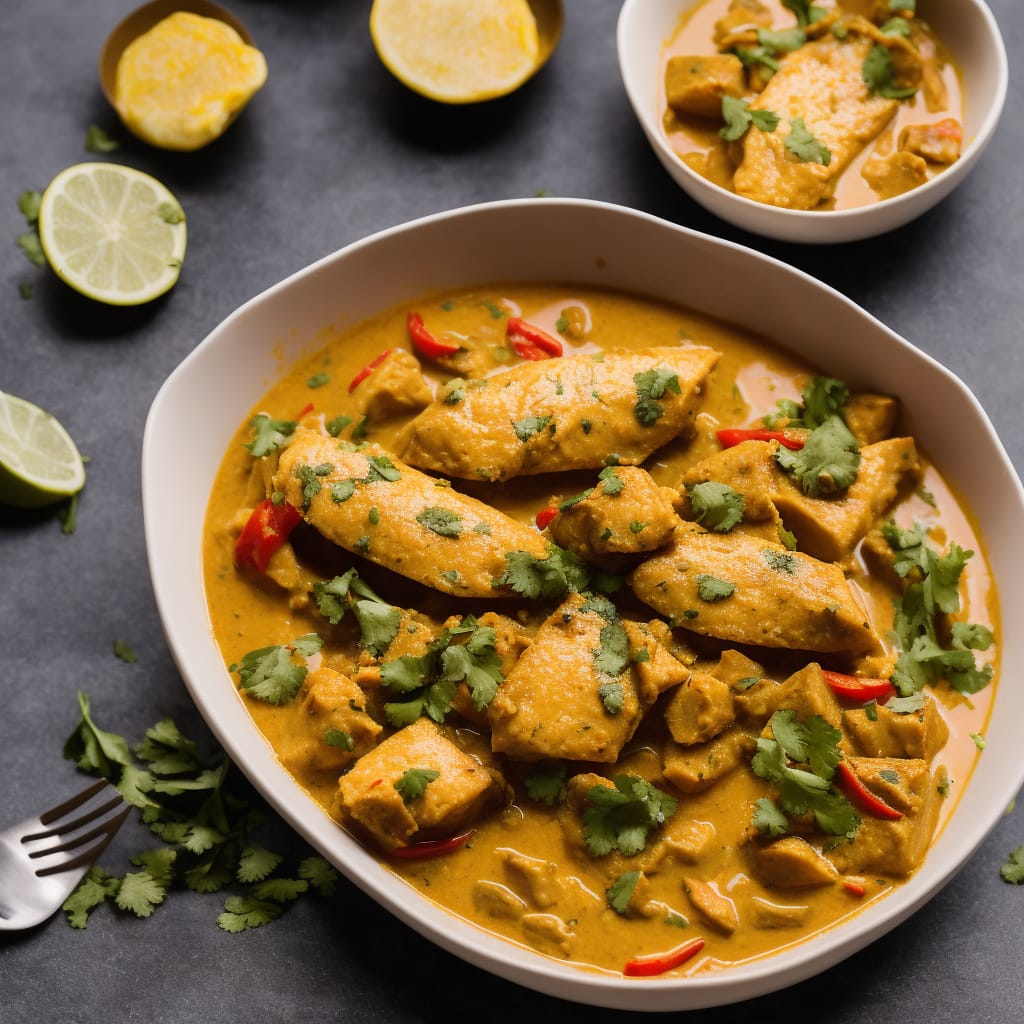
Where do you even begin with seafood? You might find yourself overwhelmed by the vast selection of seafood dishes to choose from, but fret not! Our seafood recipes are here to help you out!
Read More
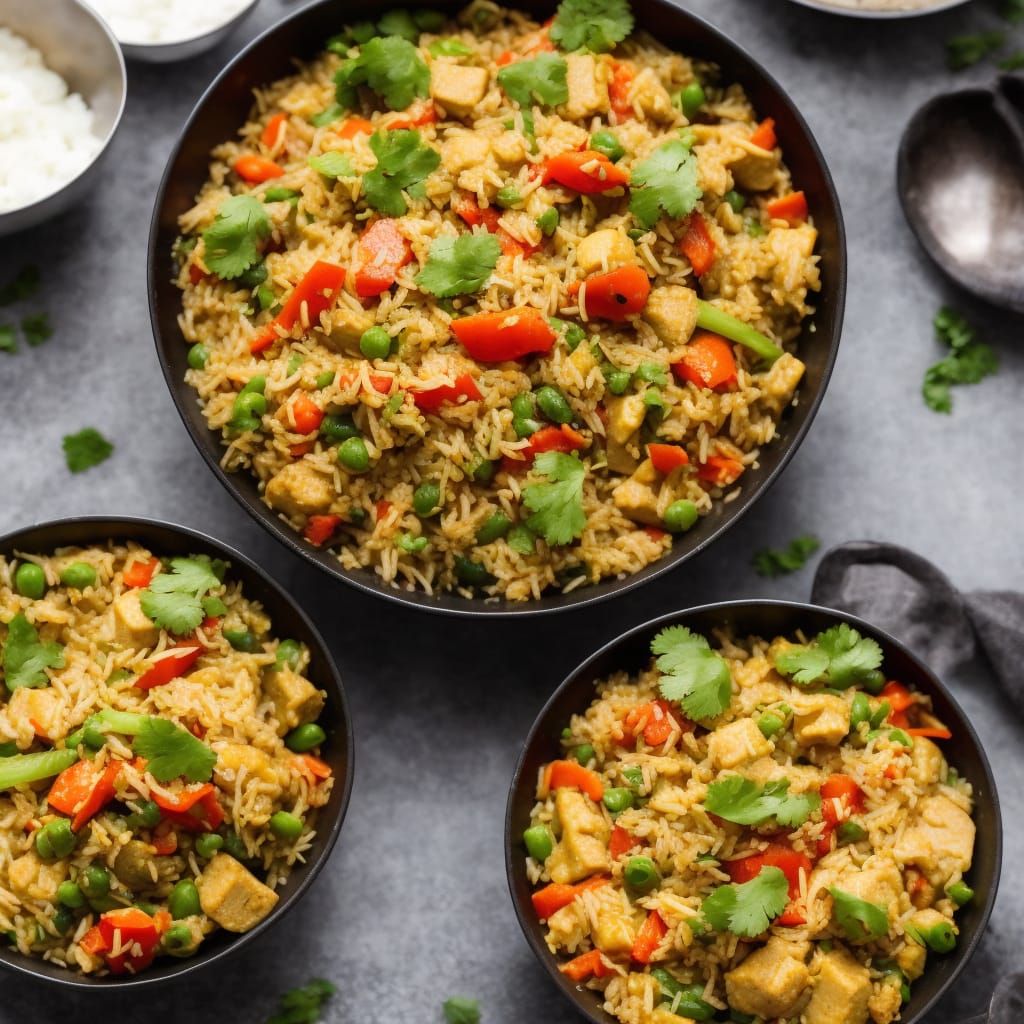
From a beautiful Asian country comes our authentic and tasty Thai recipes. Be enraptured by the sweet, salty, sour, and spicy flavors that most Thai dishes combine in wild abandon. Your taste buds will surely thank you for these amazing Thai recipes.
Read More
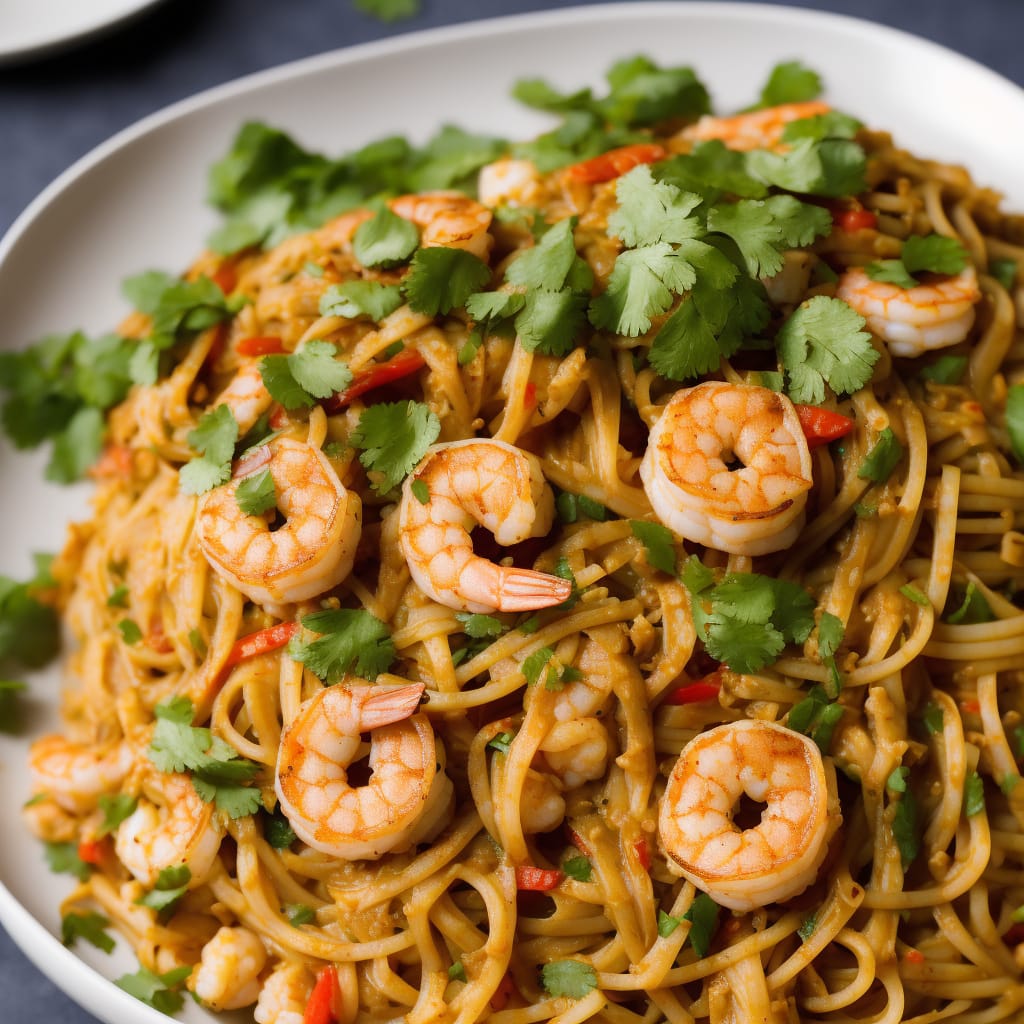
Make easy yet tasty meals with our stir fry recipes! Toss in some meat or veggies as well as delicious seasonings to make an almost-effortless meal. Stir it up and serve to your loved ones.
Read More
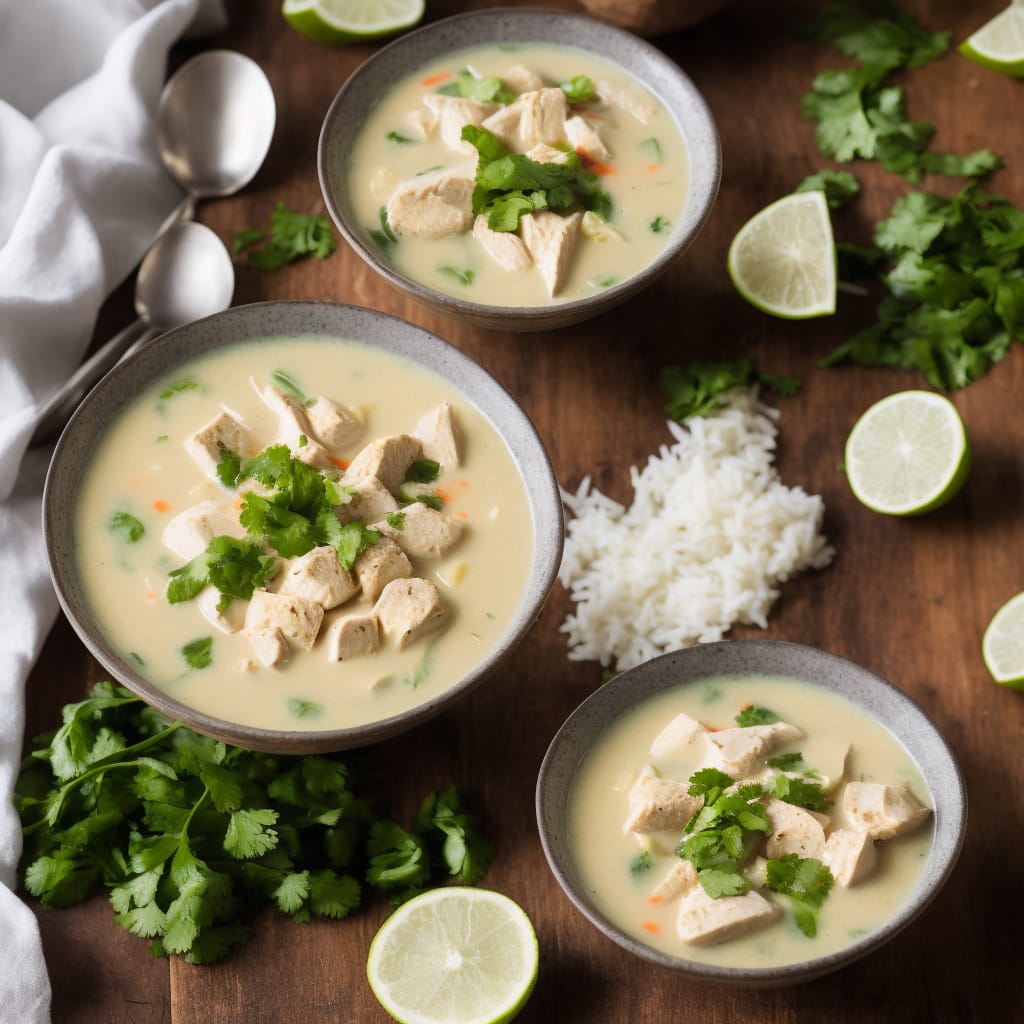
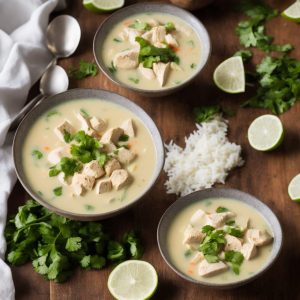
This classic and versatile dish is not one to miss in the dinner table! Make delicious, warm soup with our comforting soup recipes. You can enjoy this dish as a main course, side dish, or even an appetizer. If you're just learning the ropes around cooking, then soup recipes are a great place to start. Delve into our amazing soup recipes for something easy to make, but satisfying to eat. We guarantee you'll be wiping the bowl clean down to your last spoonful!
Read More
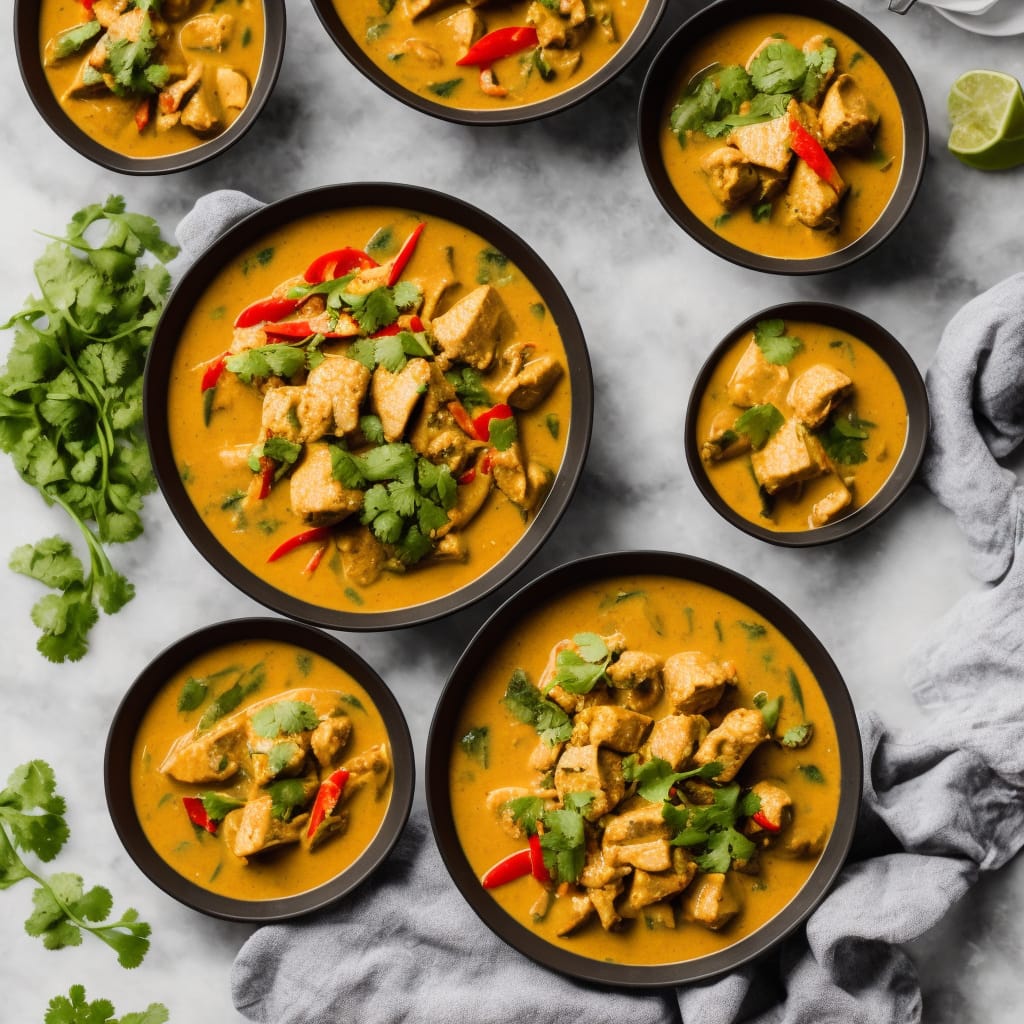
From a beautiful Asian country comes our authentic and tasty Thai recipes. Be enraptured by the sweet, salty, sour, and spicy flavors that most Thai dishes combine in wild abandon. Your taste buds will surely thank you for these amazing Thai recipes.
Read More
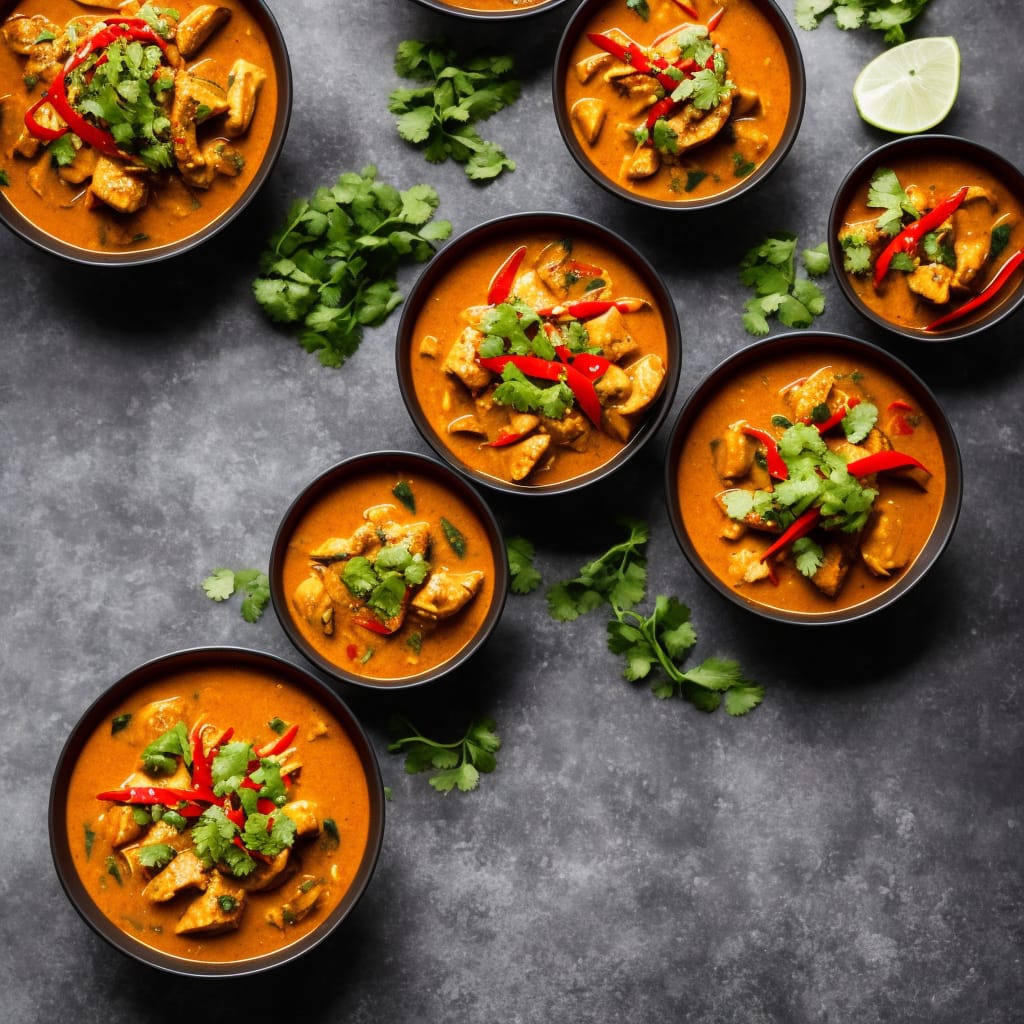
From a beautiful Asian country comes our authentic and tasty Thai recipes. Be enraptured by the sweet, salty, sour, and spicy flavors that most Thai dishes combine in wild abandon. Your taste buds will surely thank you for these amazing Thai recipes.
Read More
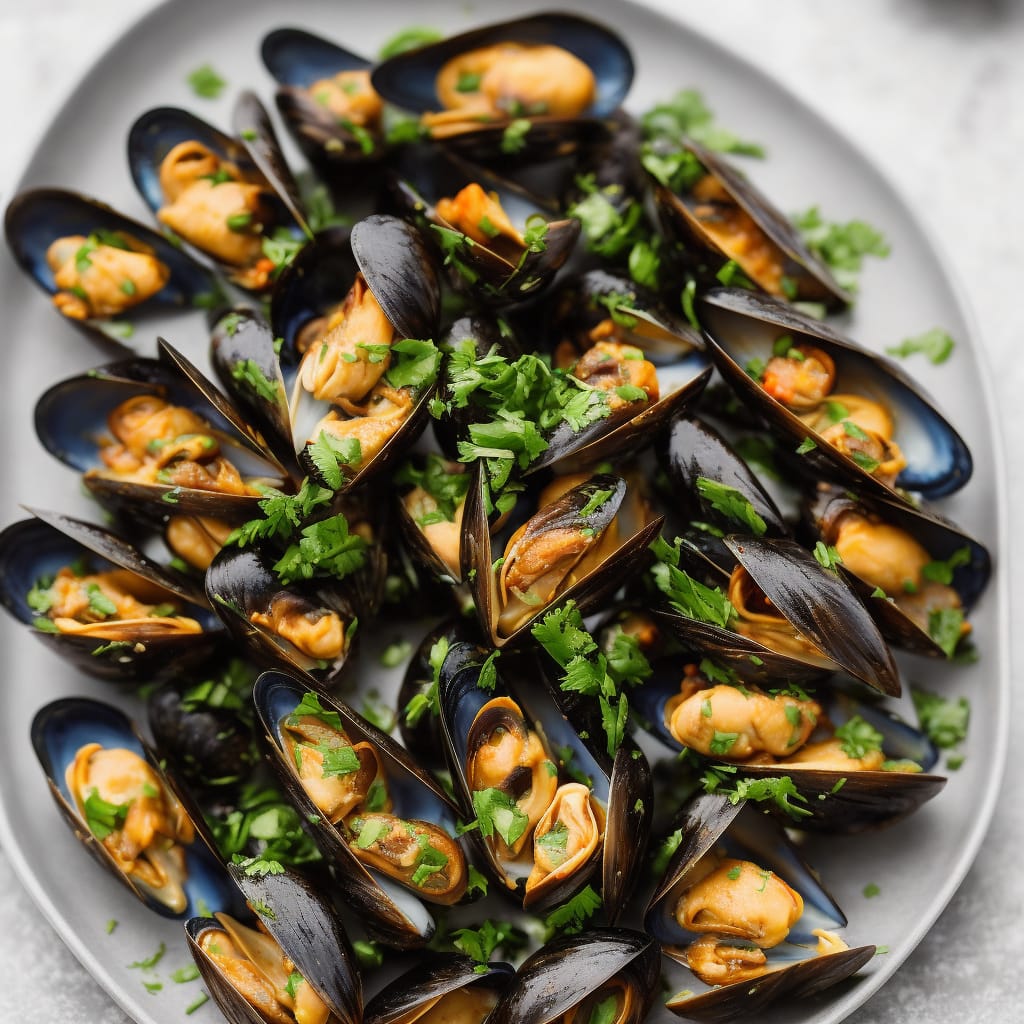
Where do you even begin with seafood? You might find yourself overwhelmed by the vast selection of seafood dishes to choose from, but fret not! Our seafood recipes are here to help you out!
Read More
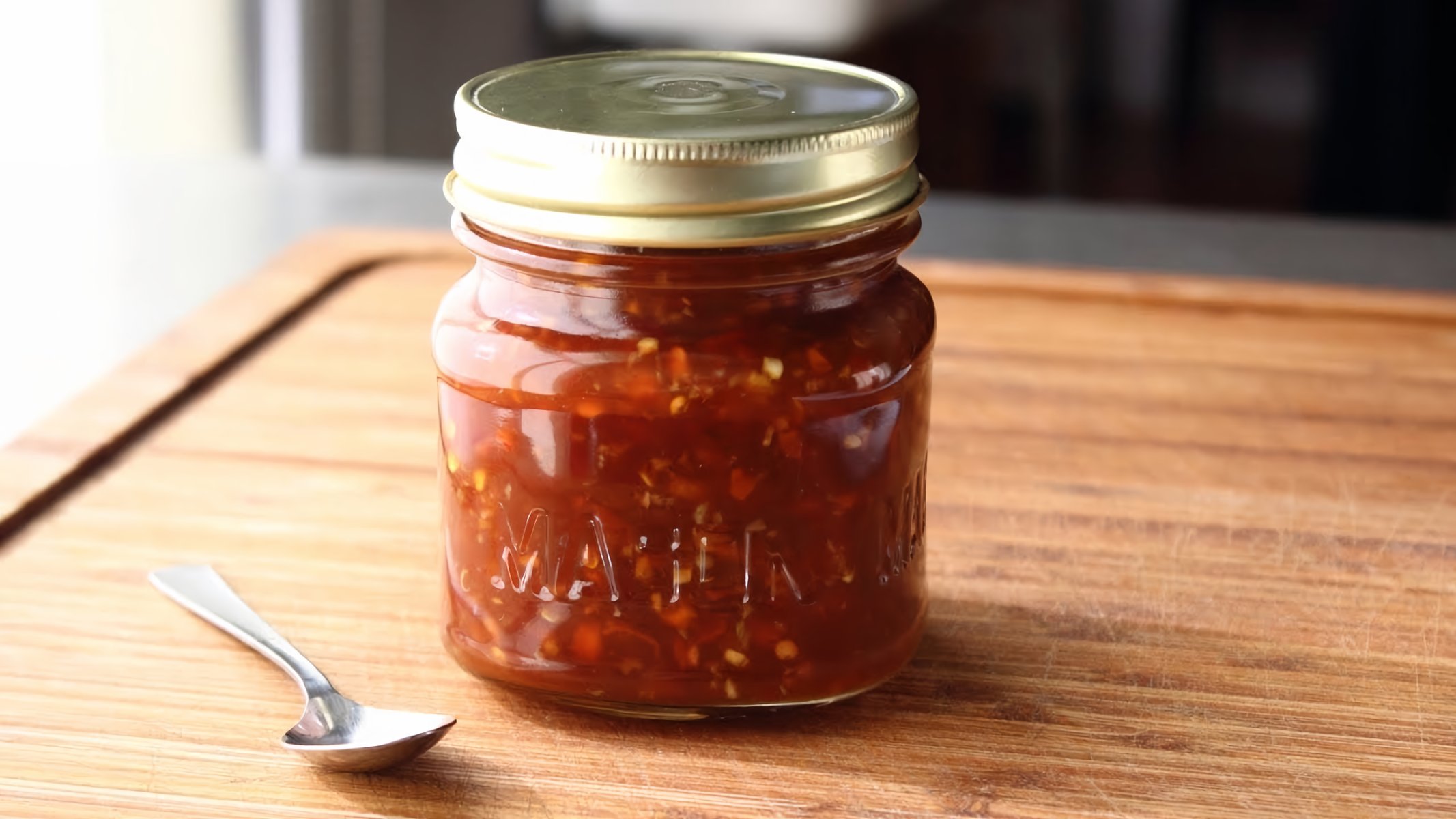
From a beautiful Asian country comes our authentic and tasty Thai recipes. Be enraptured by the sweet, salty, sour, and spicy flavors that most Thai dishes combine in wild abandon. Your taste buds will surely thank you for these amazing Thai recipes.
Read More

Need something to amp up the flavor on your appetizers? Look no further from our delicious dip recipes. Together with an array of sauce recipes, these delightful flavorings are sure to enhance any meal. We have a variety of recipes, from savory marinara sauces to sweet cinnamon dips. Pair off these yummy dip recipes with your favorite finger foods and snacks for a more delightful treat!
Read More
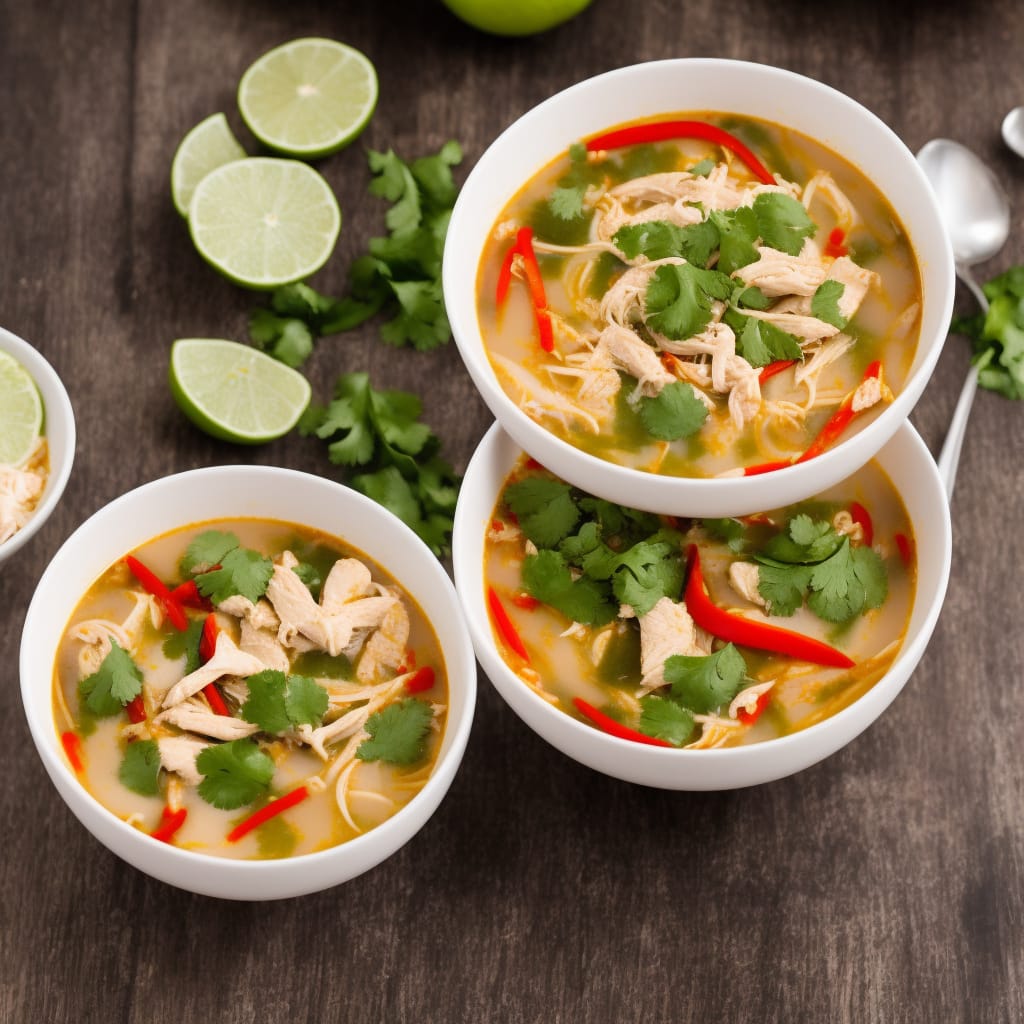
This classic and versatile dish is not one to miss in the dinner table! Make delicious, warm soup with our comforting soup recipes. You can enjoy this dish as a main course, side dish, or even an appetizer. If you're just learning the ropes around cooking, then soup recipes are a great place to start. Delve into our amazing soup recipes for something easy to make, but satisfying to eat. We guarantee you'll be wiping the bowl clean down to your last spoonful!
Read More
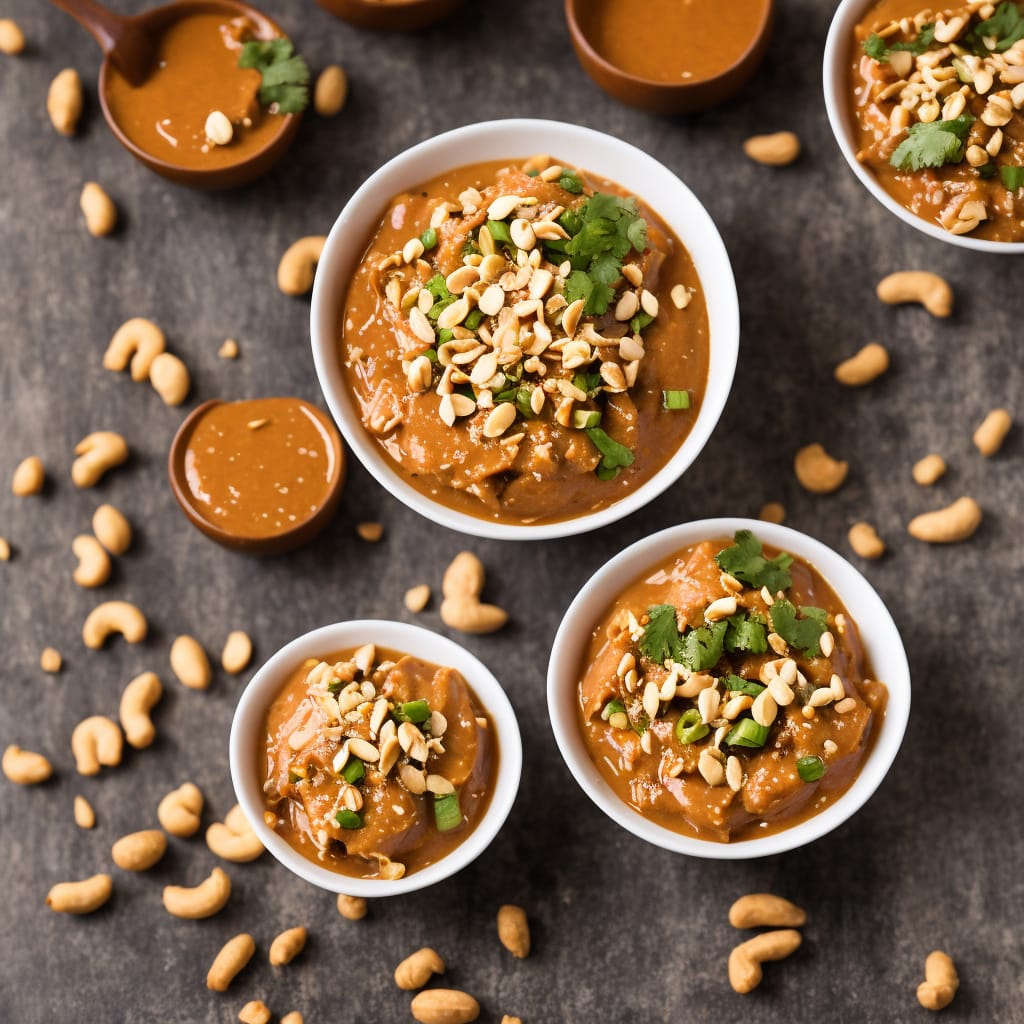
Did you know that there are more ways than one of preparing your healthy greens? Yes. Even if you're having veggies for lunch or dinner, there's no reason to serve a bland dish. Treat yourself to a nutritious yet flavorful meal each time by dousing your salad with a sauce of your choice. And all thanks to these salad dressing recipes, you'll have plenty of options to choose from each time. Take your pick from a homemade Caesar blend, basil pesto, honey mustard, and more!
Read More
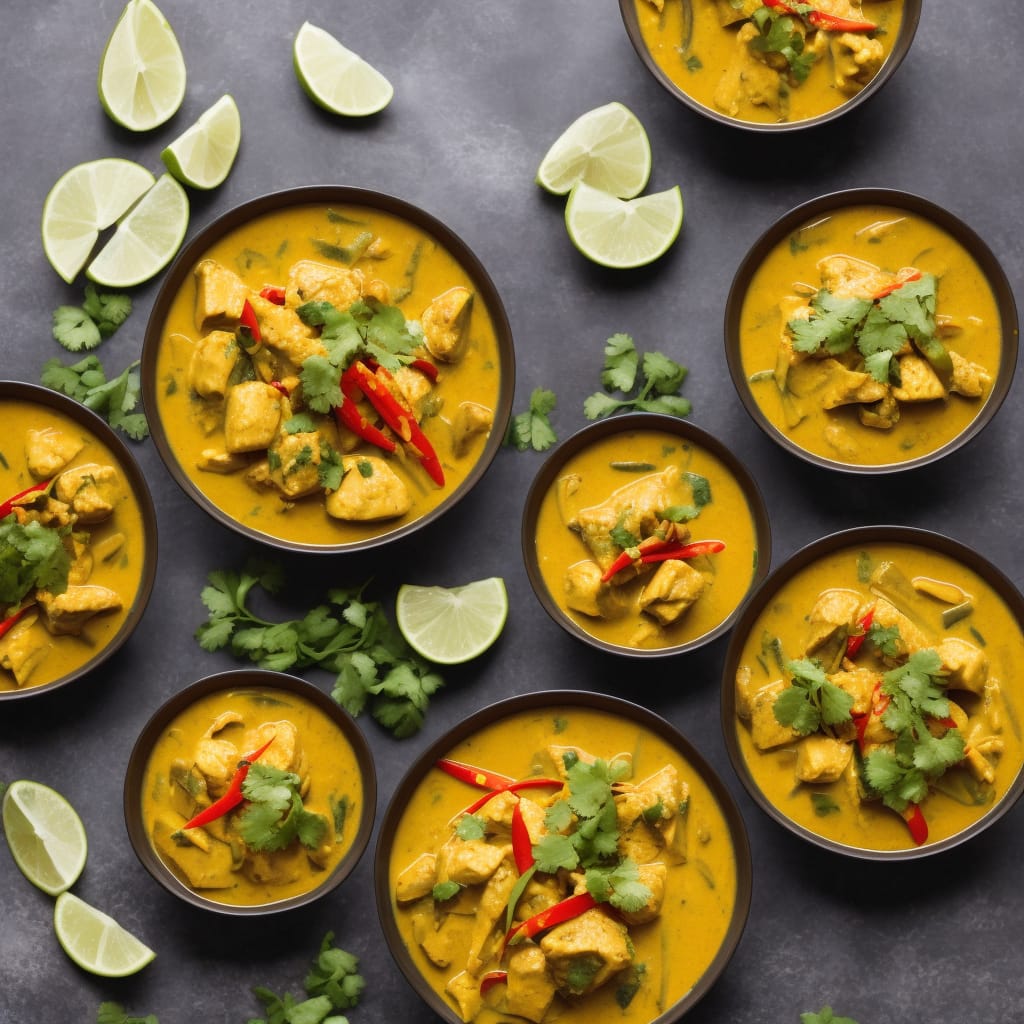
From a beautiful Asian country comes our authentic and tasty Thai recipes. Be enraptured by the sweet, salty, sour, and spicy flavors that most Thai dishes combine in wild abandon. Your taste buds will surely thank you for these amazing Thai recipes.
Read More
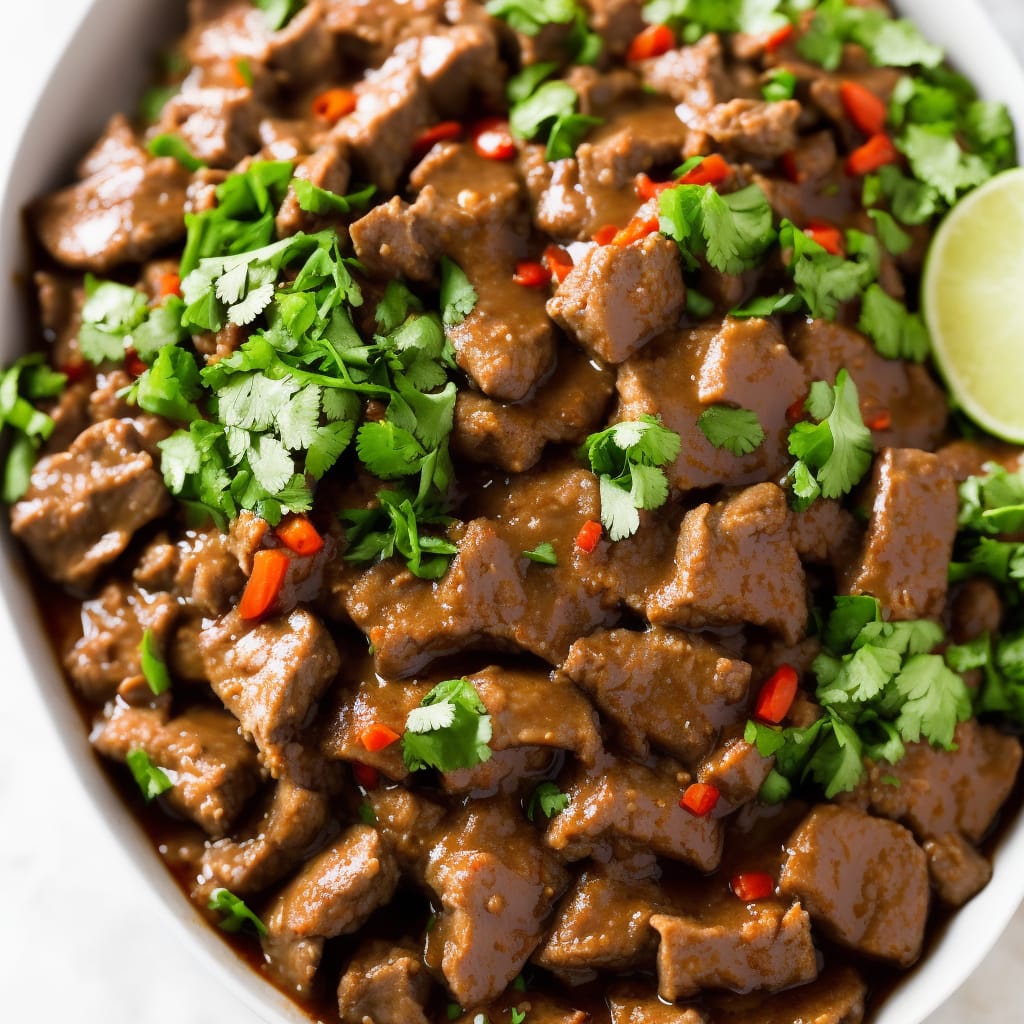
From a beautiful Asian country comes our authentic and tasty Thai recipes. Be enraptured by the sweet, salty, sour, and spicy flavors that most Thai dishes combine in wild abandon. Your taste buds will surely thank you for these amazing Thai recipes.
Read More
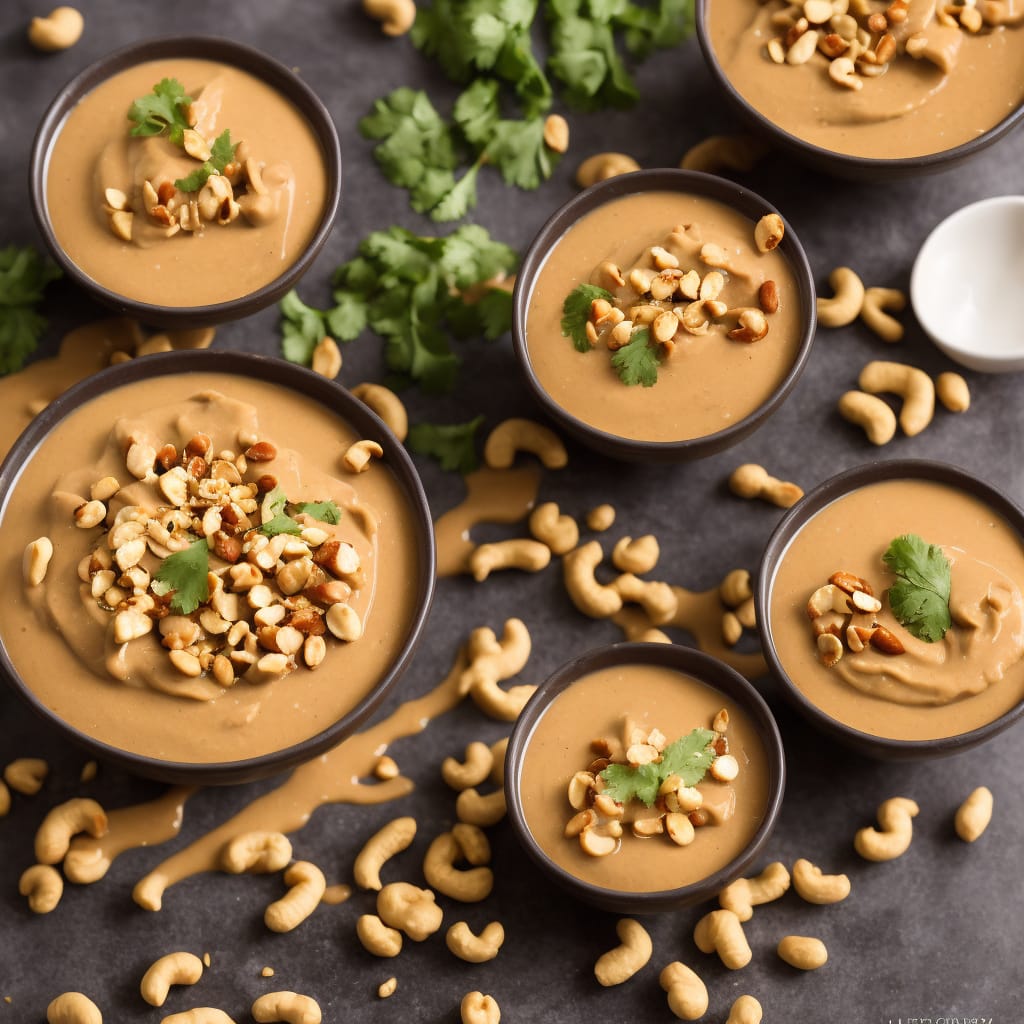
Need something to amp up the flavor on your appetizers? Look no further from our delicious dip recipes. Together with an array of sauce recipes, these delightful flavorings are sure to enhance any meal. We have a variety of recipes, from savory marinara sauces to sweet cinnamon dips. Pair off these yummy dip recipes with your favorite finger foods and snacks for a more delightful treat!
Read More
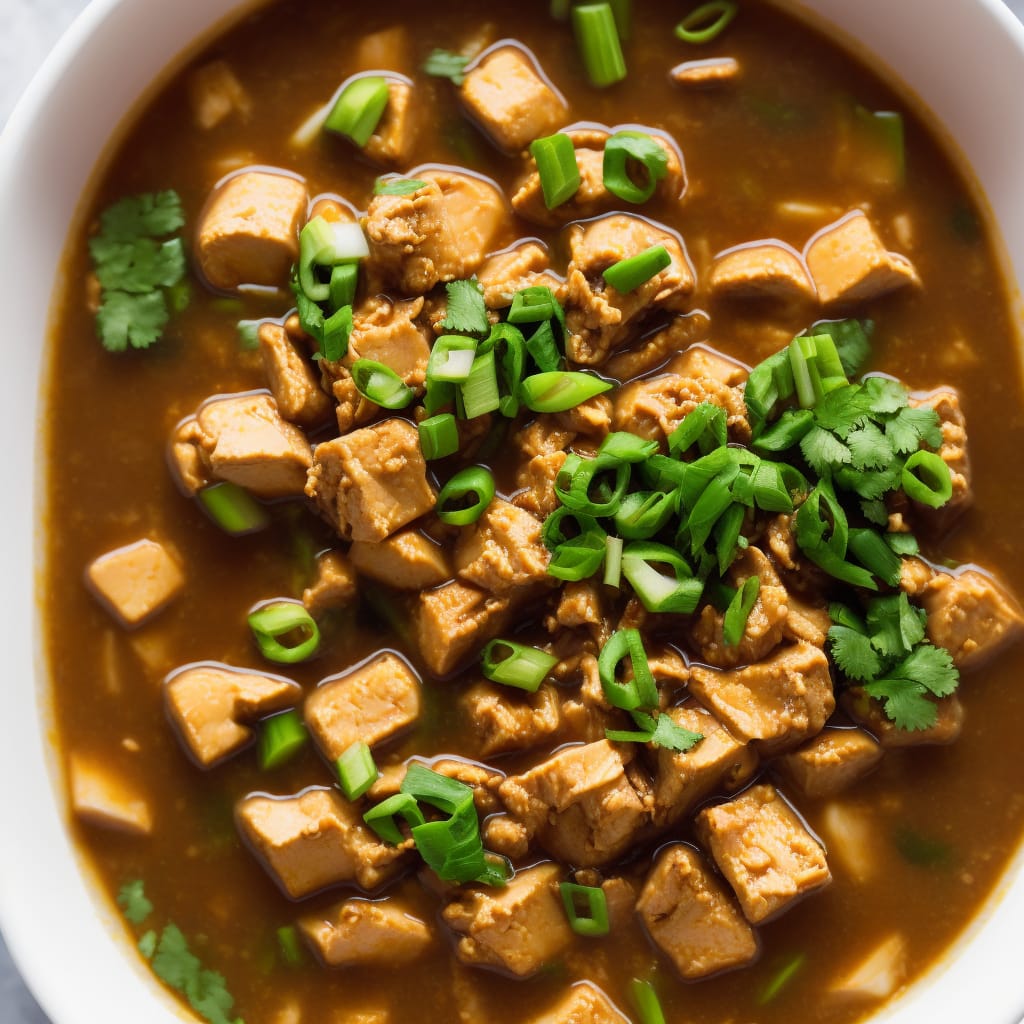
From a beautiful Asian country comes our authentic and tasty Thai recipes. Be enraptured by the sweet, salty, sour, and spicy flavors that most Thai dishes combine in wild abandon. Your taste buds will surely thank you for these amazing Thai recipes.
Read More
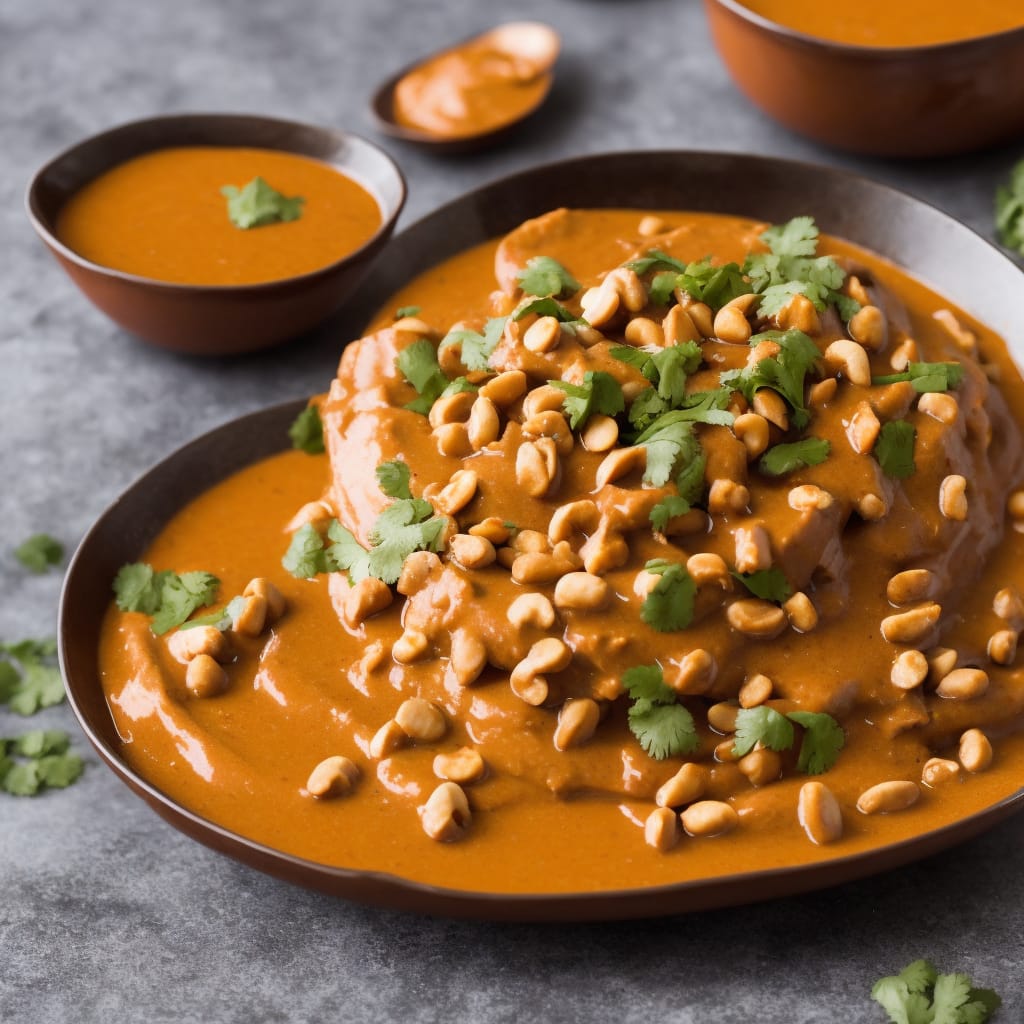
From a beautiful Asian country comes our authentic and tasty Thai recipes. Be enraptured by the sweet, salty, sour, and spicy flavors that most Thai dishes combine in wild abandon. Your taste buds will surely thank you for these amazing Thai recipes.
Read More
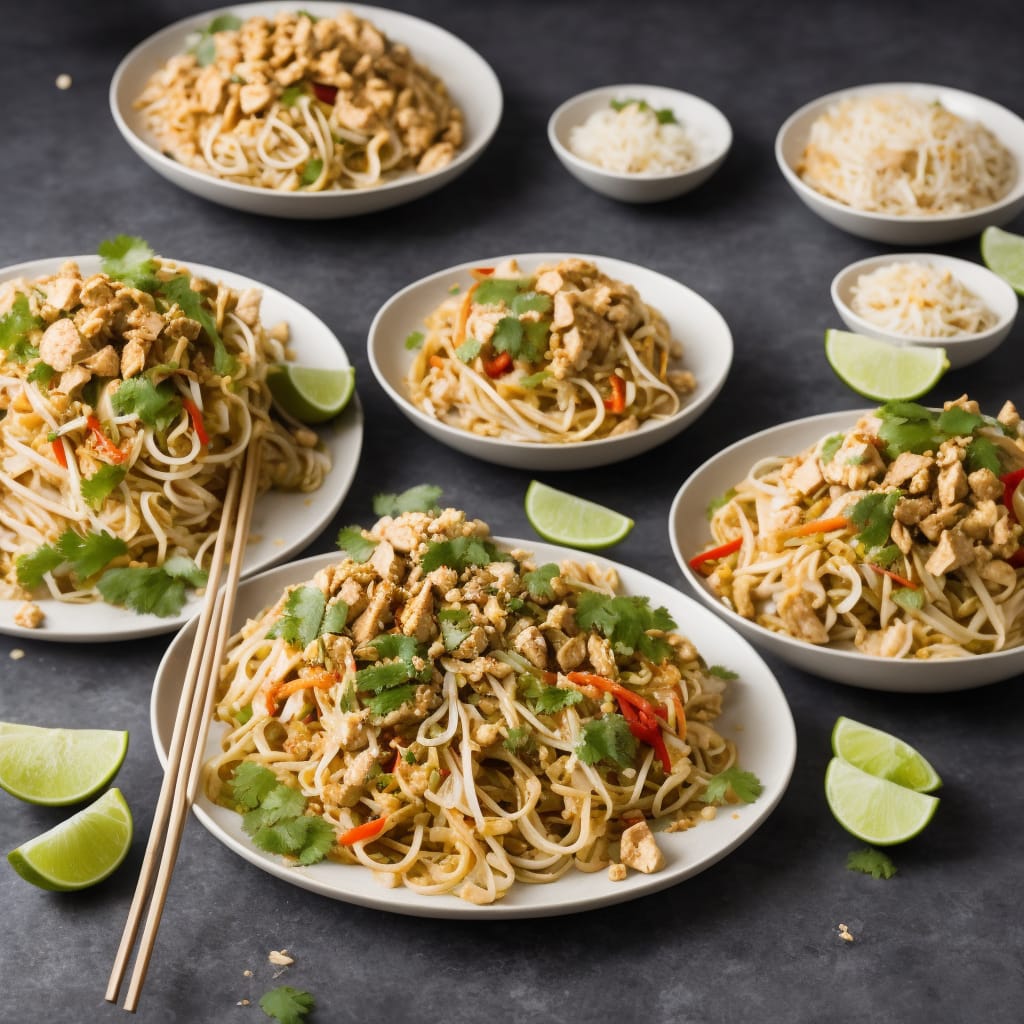
From a beautiful Asian country comes our authentic and tasty Thai recipes. Be enraptured by the sweet, salty, sour, and spicy flavors that most Thai dishes combine in wild abandon. Your taste buds will surely thank you for these amazing Thai recipes.
Read More
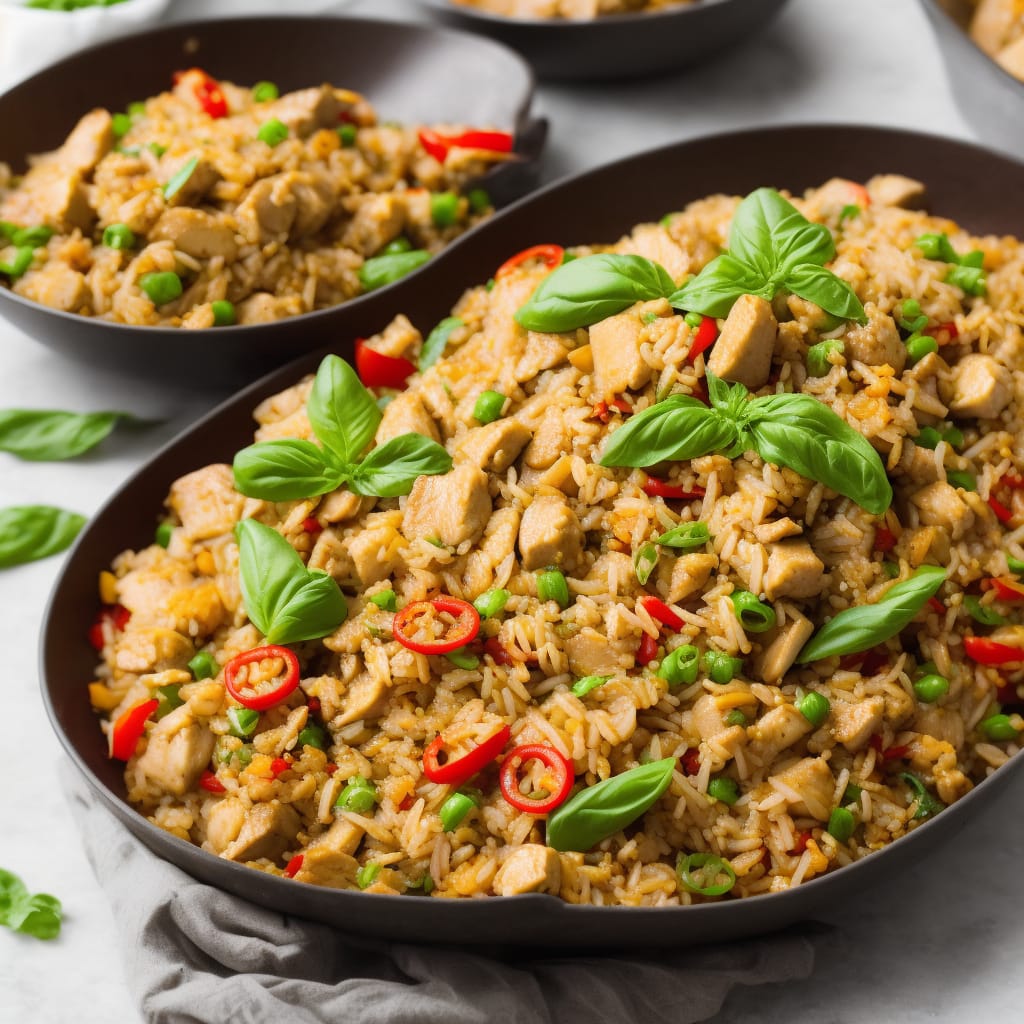
From a beautiful Asian country comes our authentic and tasty Thai recipes. Be enraptured by the sweet, salty, sour, and spicy flavors that most Thai dishes combine in wild abandon. Your taste buds will surely thank you for these amazing Thai recipes.
Read More
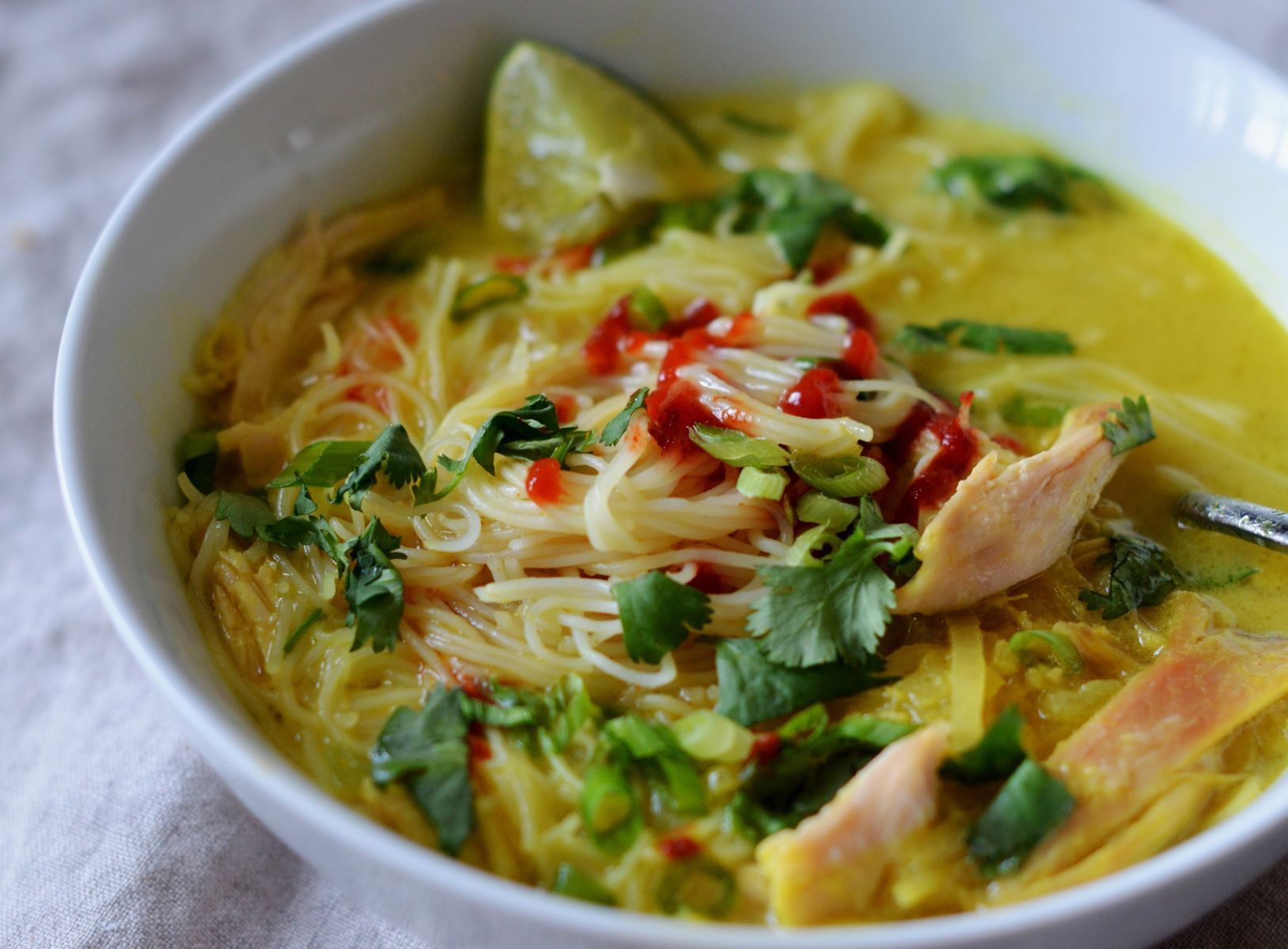
From a beautiful Asian country comes our authentic and tasty Thai recipes. Be enraptured by the sweet, salty, sour, and spicy flavors that most Thai dishes combine in wild abandon. Your taste buds will surely thank you for these amazing Thai recipes.
Read More
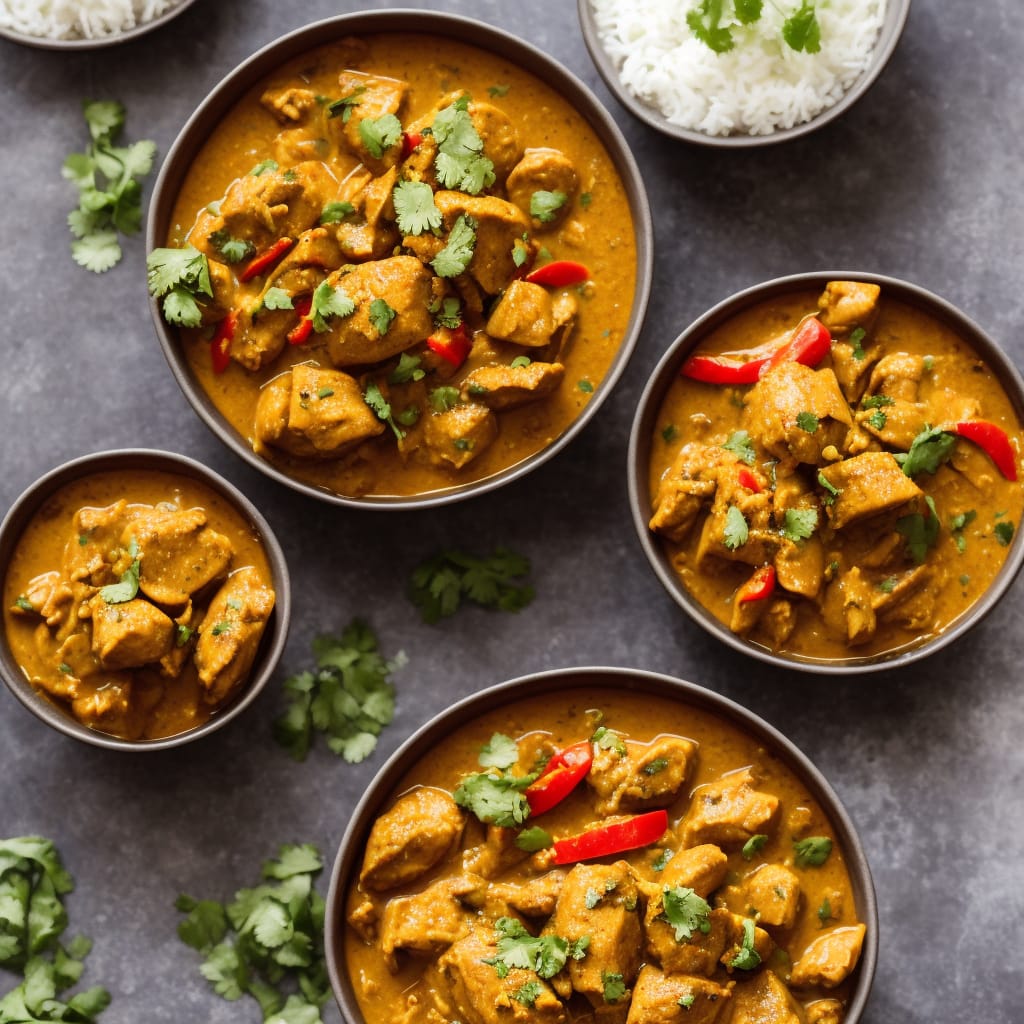
Take a quick trip to South Asia with our delicious Indian recipes! Make your own take on curry, biryani, and other famous Indian dishes with these recipes. Have fun cooking spicy and tangy Indian recipes like tikka masala or tandoori. We have all kinds of Indian curry recipes and even desserts too! So, what are you waiting for? Let's get cooking!
Read More